

Some jewelry pieces transcend the moment of their creation. They are worn by queens and worn by daughters of queens. They appear in paintings, in films, in photographs that define decades. They are locked onto wrists with screwdrivers, coiled around necks like living things, snapped onto fingers with the finality of a commitment. These are not accessories. They are artifacts of human desire — for beauty, for meaning, for permanence. Here is their story.
Exclusive Offer
10% Off Melinda Maria Sitewide
Use my link for 10% off everything at Melinda Maria — including the budget alternatives featured throughout this article.
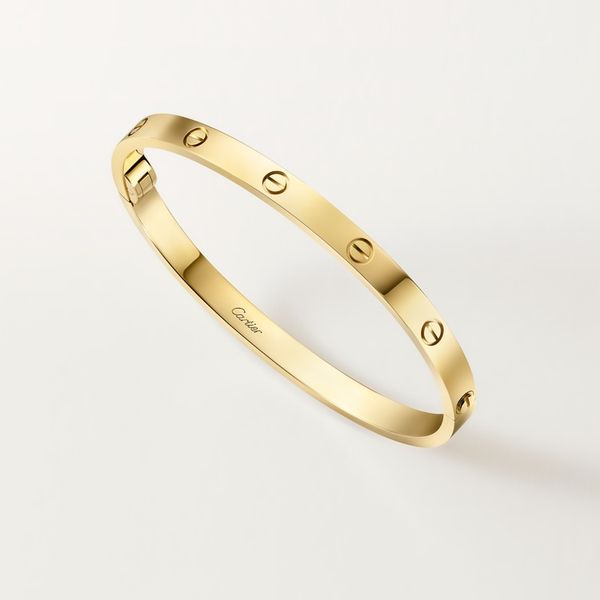
Cartier
Love Bracelet
Introduced 1969 • Aldo Cipullo
The Origin
The Cartier Love Bracelet was designed by Italian-born Aldo Cipullo for Cartier New York in 1969 — a time when New York was the center of cultural revolution, and love itself was being redefined. Cipullo's concept was radical: a bracelet that required another person to put on and take off. It came with a tiny gold screwdriver. You wore it because someone else locked it onto your wrist. The symbolism was not subtle, and it was entirely intentional.
The original Love Bracelet was sold in pairs — one for each partner. Cartier's early marketing leaned into this, giving bracelets to celebrity couples who would become living advertisements for the concept of love as something you literally carried on your body. The twist screws that line the oval bangle were not merely decorative; they referenced the screws used in medieval chastity devices — a dark historical irony that Cipullo transformed into something tender and modern.
Symbolism: Commitment, devotion, the locking of love into permanent form. The screwdriver closure made the bracelet the physical expression of a relationship — something you could not remove alone, something that required another person's participation to exist.
Who Wore It
Elizabeth Taylor and Richard Burton were among the first to make the Love Bracelet a cultural phenomenon — their tumultuous, twice-married love story written in gold around their wrists. The bracelet became shorthand for a particular kind of love: passionate, permanent, possibly inadvisable. The fact that it was difficult to remove only added to the mythology.
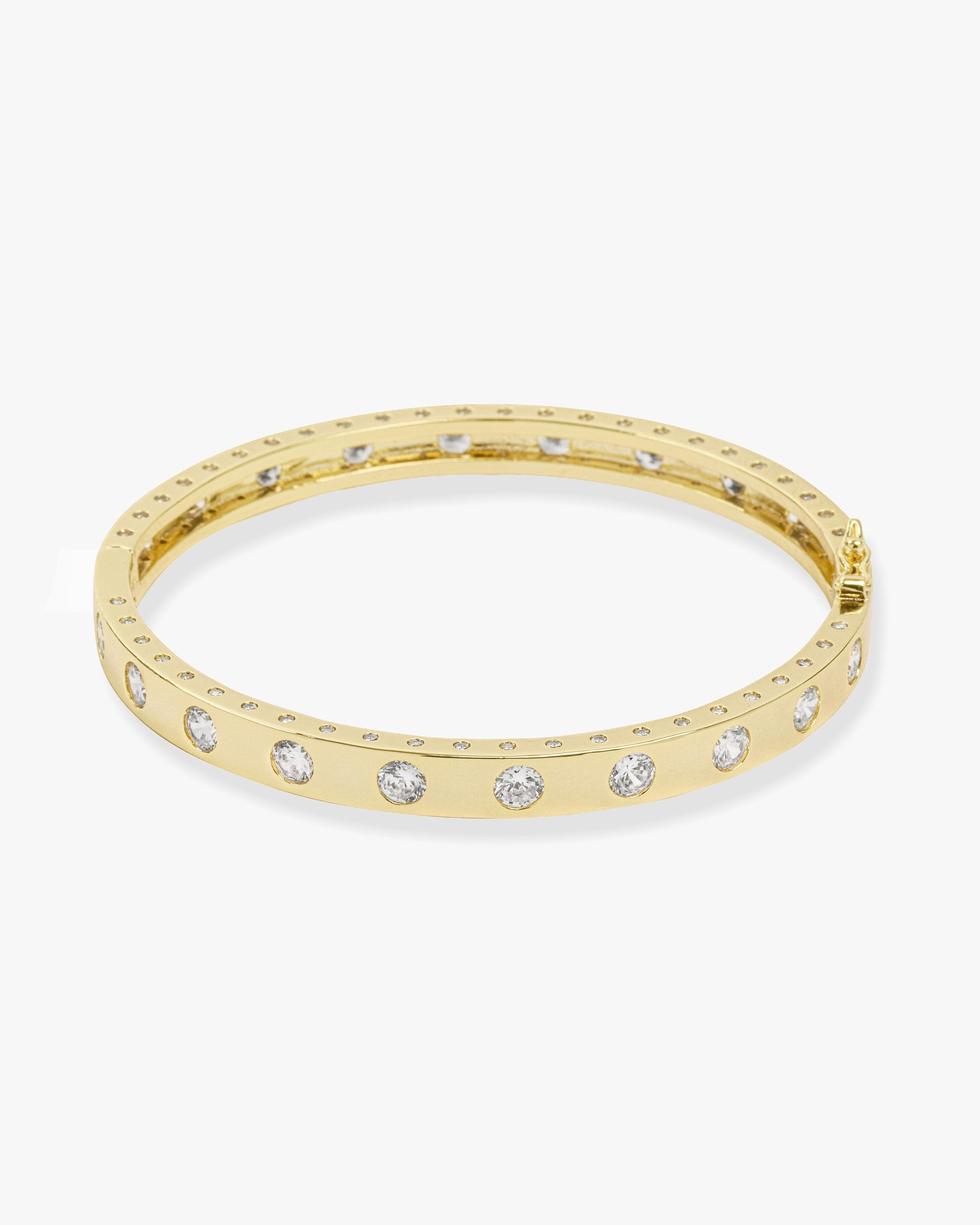
Budget Alternative
Melinda Maria — Ashley Hinge Cuff Gold|White Diamondettes
The same oval silhouette and locked-love energy in gold and white diamondettes — a genuinely beautiful alternative.
Van Cleef & Arpels
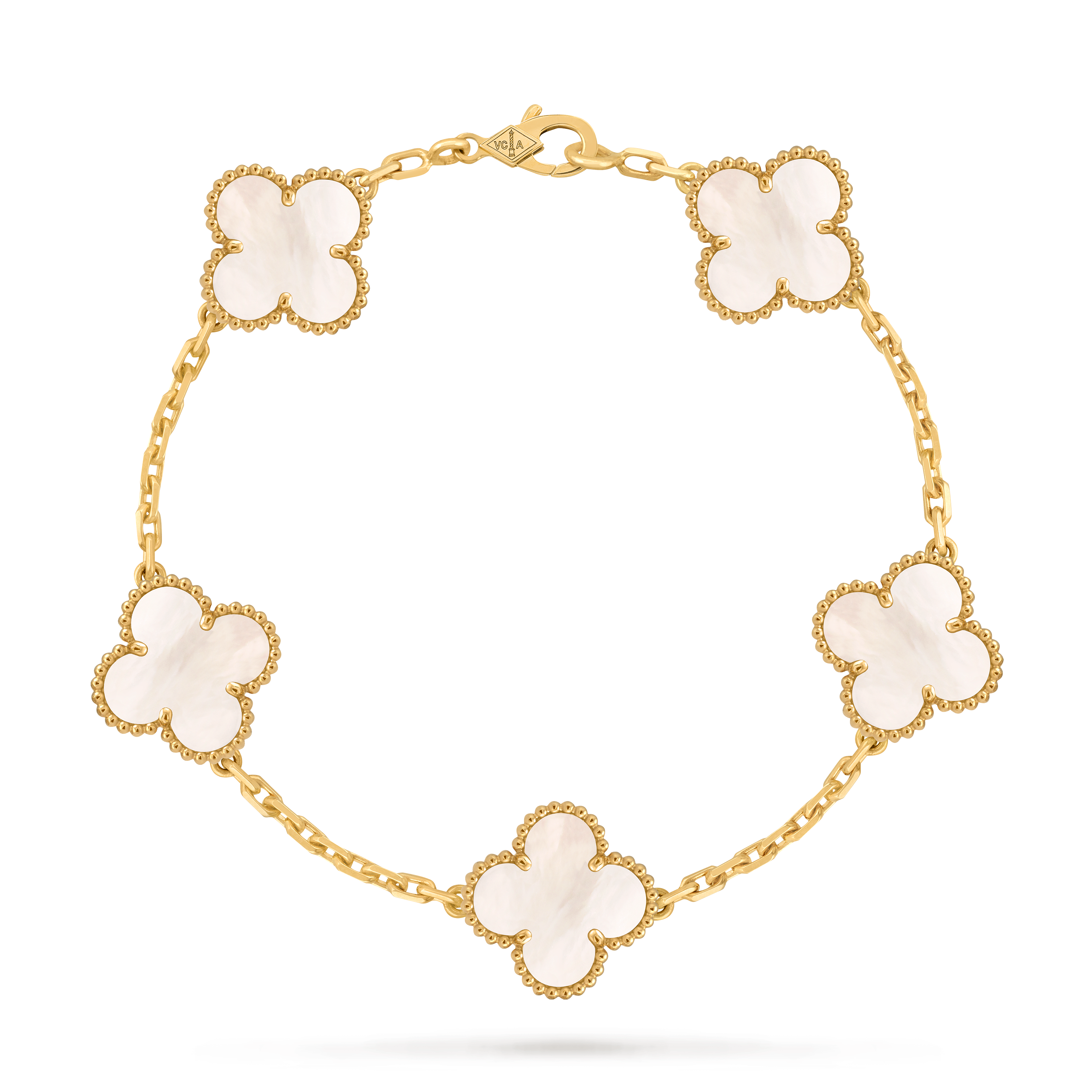
Vintage Alhambra Bracelet
Introduced 1968 • Place Vendôme, Paris
The Origin
In 1968, Van Cleef & Arpels introduced a bracelet built around the quatrefoil — the four-leaf clover motif — and named it after the Alhambra palace in Granada, Spain, whose Moorish architecture is filled with the same shape. The timing was extraordinary: 1968 was the year of global upheaval, student revolutions, and a collective search for luck and meaning. The Alhambra bracelet arrived as a talisman.
The genius of the Alhambra is its simplicity. A repeating motif of a single shape — outlined in gold, filled with a natural material — that could be made in mother-of-pearl, onyx, turquoise, malachite, or carnelian. Each version carries a different energy while remaining unmistakably the same piece. It is simultaneously maximalist and minimal, luxurious and wearable, and it photographs beautifully in every era of photography technology, which may explain its extraordinary longevity on social media.
Symbolism: Luck, fortune, and the four-leaf clover's ancient association with good omens. The quatrefoil shape appears across Islamic art, Gothic architecture, and Celtic tradition — the Alhambra sits at the crossroads of all three, carrying centuries of protective meaning in a single elegant motif.
Who Wore It
Princess Grace of Monaco wore the Alhambra and in doing so made it the quintessential piece of European aristocratic style. Jacqueline Kennedy Onassis gave it American cultural currency. Five decades later, Rihanna, Dua Lipa, and Victoria Beckham demonstrate that the Alhambra belongs to every generation that encounters it — which is, by this point, every generation.
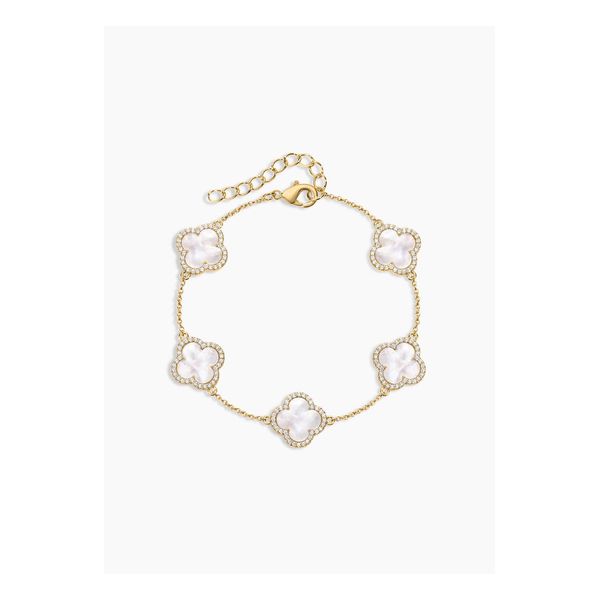
Budget Alternative
Electric Picks — Icon White Clover Bracelet
The four-leaf clover motif done beautifully — same lucky symbolism, same gold-and-white energy.
Bulgari
Serpenti Bracelet
Introduced 1940s • Via Condotti, Rome
The Origin
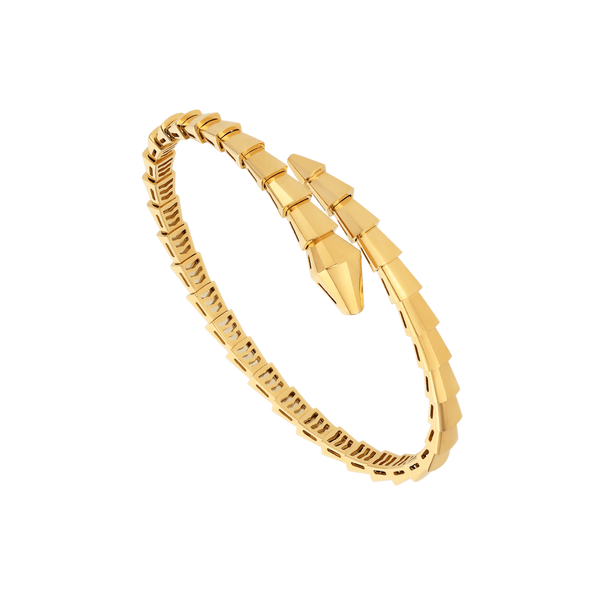
Bulgari's Serpenti — Italian for serpent — emerged from the ruins of post-war Rome in the late 1940s, in a city simultaneously rebuilding itself and rediscovering its ancient identity. The snake had been a Roman symbol for millennia: coiled around the columns of temples, pressed into the wax seals of emperors, worn as armband jewelry by Roman women as early as the first century BCE. Bulgari did not invent the snake bracelet. They perfected it.
The Serpenti coils around the wrist in articulated gold scales — tubogas work, a technique that Bulgari's craftsmen developed to create a flexible, seamless spiral that moves like a living thing. Early versions featured enameled scales in vivid jewel tones; later iterations added pavé diamonds, emerald eyes, ruby tongues, and a watch face hidden in the serpent's head. Elizabeth Taylor famously wore her Serpenti watch to the set of Cleopatra — a piece of Roman jewelry worn by a woman playing Egypt's most famous queen, on a film set in Rome. The layers of historical resonance were not accidental.
Symbolism: In Roman tradition, the serpent was a symbol of eternal life and protection — the genius loci, the guardian spirit of a place. On the wrist, a coiled serpent represented the wearer's connection to that protective, regenerative energy. The snake sheds its skin and is reborn. To wear the serpent is to claim that cycle for yourself.
Who Wore It
Budget Alternative
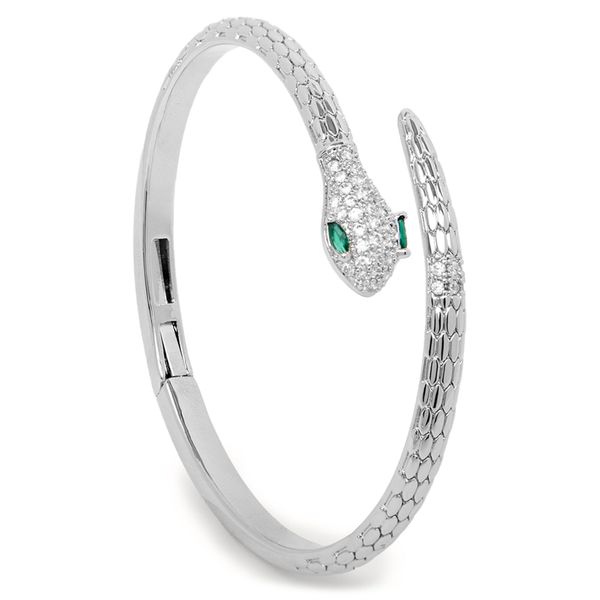
SAACHI — Serpent Sparkle Hinged Cuff Bracelet
The coiled serpent in crystal-studded hinged cuff form — ancient symbolism, sparkling accessibility.
On the nature of iconic jewelry
What separates an iconic piece from a beautiful one is not quality alone — it is the accumulation of meaning over time. Every wrist that wears the Love Bracelet adds to its story. Every Alhambra photographed in a new decade deepens its legacy. Iconic jewelry is not just worn. It is lived in, passed down, and continuously reinterpreted by the culture that inherits it.
Cartier
Juste un Clou Bracelet
Introduced 1971 • Aldo Cipullo • Reissued 2012
The Origin
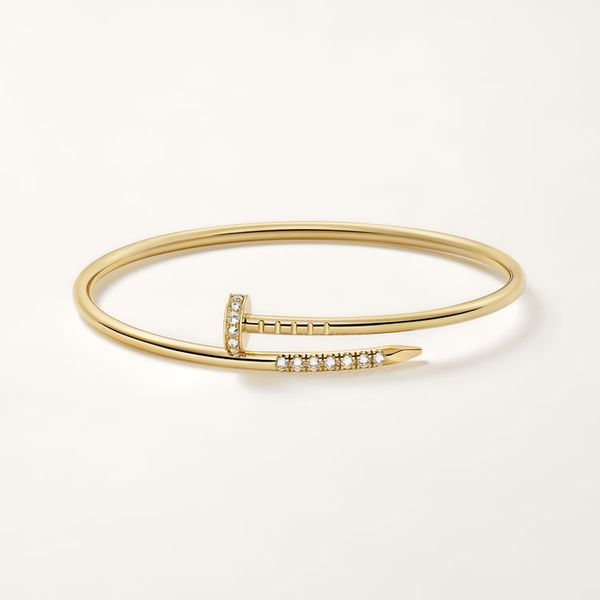
Aldo Cipullo — the same designer behind the Love Bracelet — created the Juste un Clou (French for "just a nail") two years after his first Cartier masterpiece. Where the Love Bracelet romanticized commitment, the nail bracelet romanticized the ordinary. Cipullo took a bent construction nail and made it from gold. It was a conceptual provocation in the tradition of Duchamp: the readymade elevated to luxury. The streets of New York in the early 1970s were the streets of a city in economic crisis — graffiti, construction, raw urban energy. Cipullo brought that energy into the Cartier atelier.
The piece was discontinued and then reissued by Cartier in 2012, at which point it immediately became one of the most desired bracelets of the decade. A new generation discovered what the 1970s already knew: that making the mundane precious is one of the most radical things luxury can do.
Symbolism: The nail — a tool of construction, of building — transformed into an object of pure beauty. The Juste un Clou is a meditation on value itself: what makes something precious? The material, or the meaning we invest in it? Cipullo's answer was both, always both.
Who Wore It
Budget Alternative
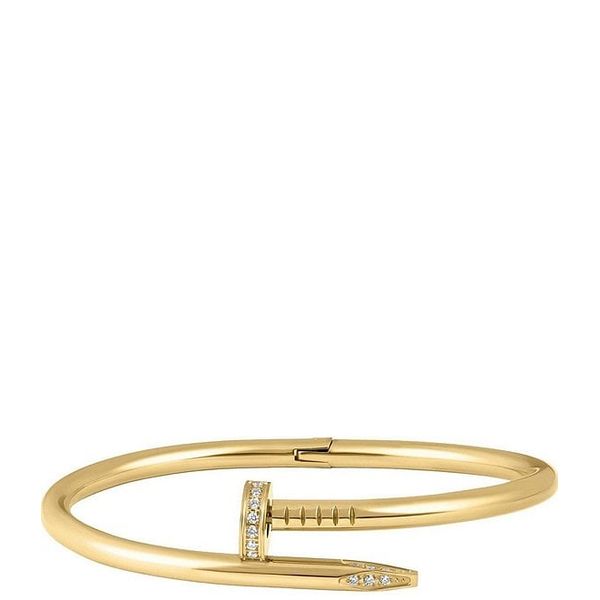
Electric Picks — Nailed It Bangle Bracelet
The nail silhouette done right — same conceptual luxury, same gold attitude, fraction of the price.
Tiffany & Co.
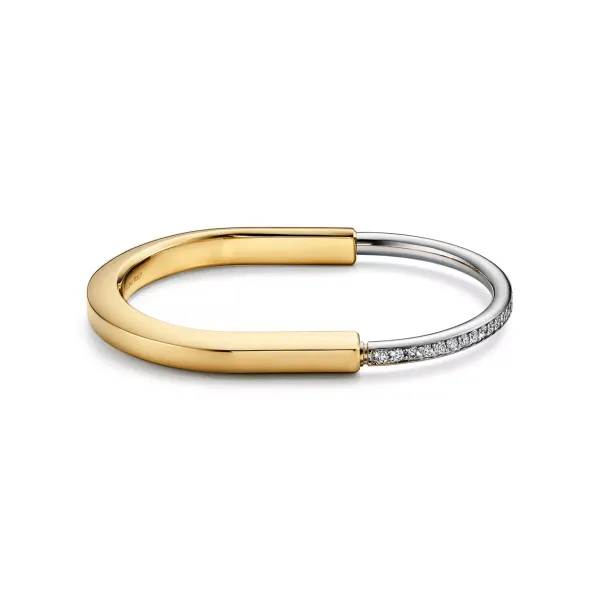
Tiffany Lock Bracelet
Introduced 2022 • New York
The Origin
The Tiffany Lock arrived in 2022 — the newest iconic piece on this list, and perhaps the fastest any piece of jewelry has achieved iconic status in the social media era. Tiffany's design team drew on the house's archival padlock motifs, which have appeared in Tiffany collections since the Victorian era, when padlock charm bracelets were given as tokens of locked-in love. The Lock Bracelet reinterprets this motif for the contemporary moment: larger, bolder, and designed explicitly to be gender-inclusive.
The Lock was introduced alongside a campaign that was deliberately diverse, deliberately modern, and deliberately aspirational in a way that felt genuinely new for a house founded in 1837. Within months it was on the wrists of the most photographed people in the world. It is Tiffany's most successful new design in decades — proof that the language of locks and commitments still speaks to every generation.
Symbolism: The padlock has meant love and protection across centuries — lovers have locked padlocks onto bridges across Europe since the 1980s, throwing the keys into rivers below. To wear a lock is to declare that something in you is closed to the world and open only to what you choose to let in. It is simultaneously an act of protection and an act of intimacy.
Who Wore It
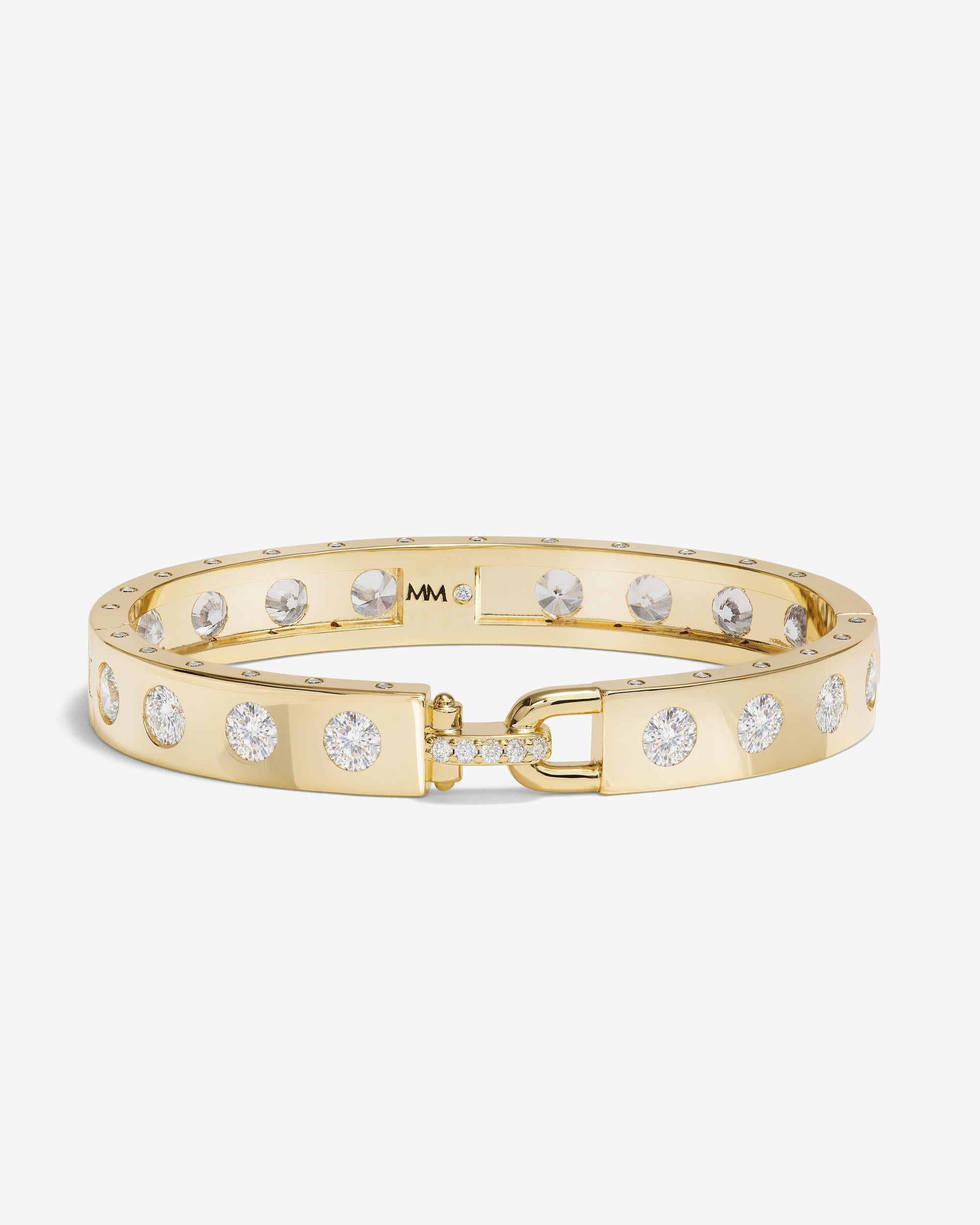
Budget Alternative
Melinda Maria — Ashley Rodeo Lock Cuff 9mm Gold|White Diamondettes
The lock cuff in gold and white diamondettes — the same bold padlock energy with Melinda Maria's signature sparkle.
Cartier
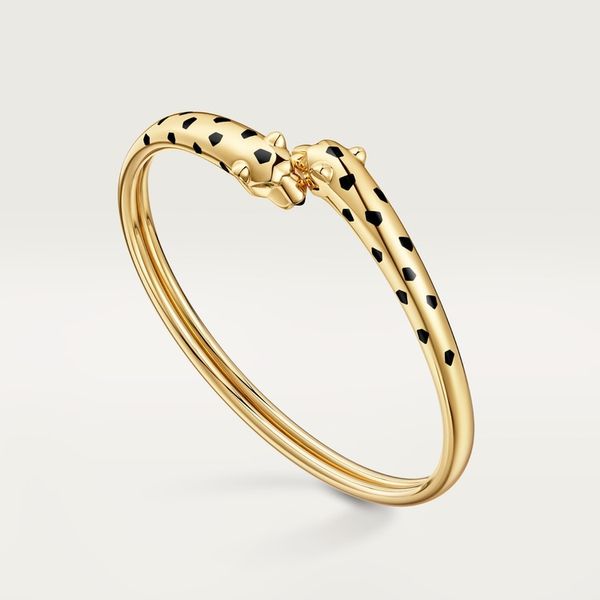
Panthère de Cartier
Introduced 1914 • Jeanne Toussaint • Ongoing
The Origin
The Panthère de Cartier began as a fabric pattern on a wristwatch in 1914 — the spotted coat of a panther rendered in onyx and diamonds by Louis Cartier. But it was Jeanne Toussaint, hired by Cartier in 1918 and nicknamed "La Panthère" by Louis Cartier himself, who transformed the motif into one of the most enduring symbols in all of luxury. Toussaint was a rare creative force in an era that did not readily accommodate women of her power — fiercely independent, deeply knowledgeable about art and craft, and possessed of an aesthetic vision that remains influential over a century after she first arrived at 13 Rue de la Paix.
The 1949 Panther brooch commissioned for the Duchess of Windsor — a three-dimensional panther crouching on a 152-carat Kashmir sapphire — is considered one of the greatest pieces of jewelry ever made. It sold at auction in 2010 for $12.4 million. The panther has since appeared on bracelets, rings, necklaces, watches, and brooches — always recognizable, always powerful, always undeniably Cartier.
Symbolism: The panther represents feminine power at its most complete — beauty and danger held in perfect equilibrium. Toussaint identified with the panther because the panther does not ask permission. It moves with total authority and total grace. For the women who have worn the Panthère — from the Duchess of Windsor to María Félix — it has always meant the same thing: I am not to be underestimated.
Who Wore It
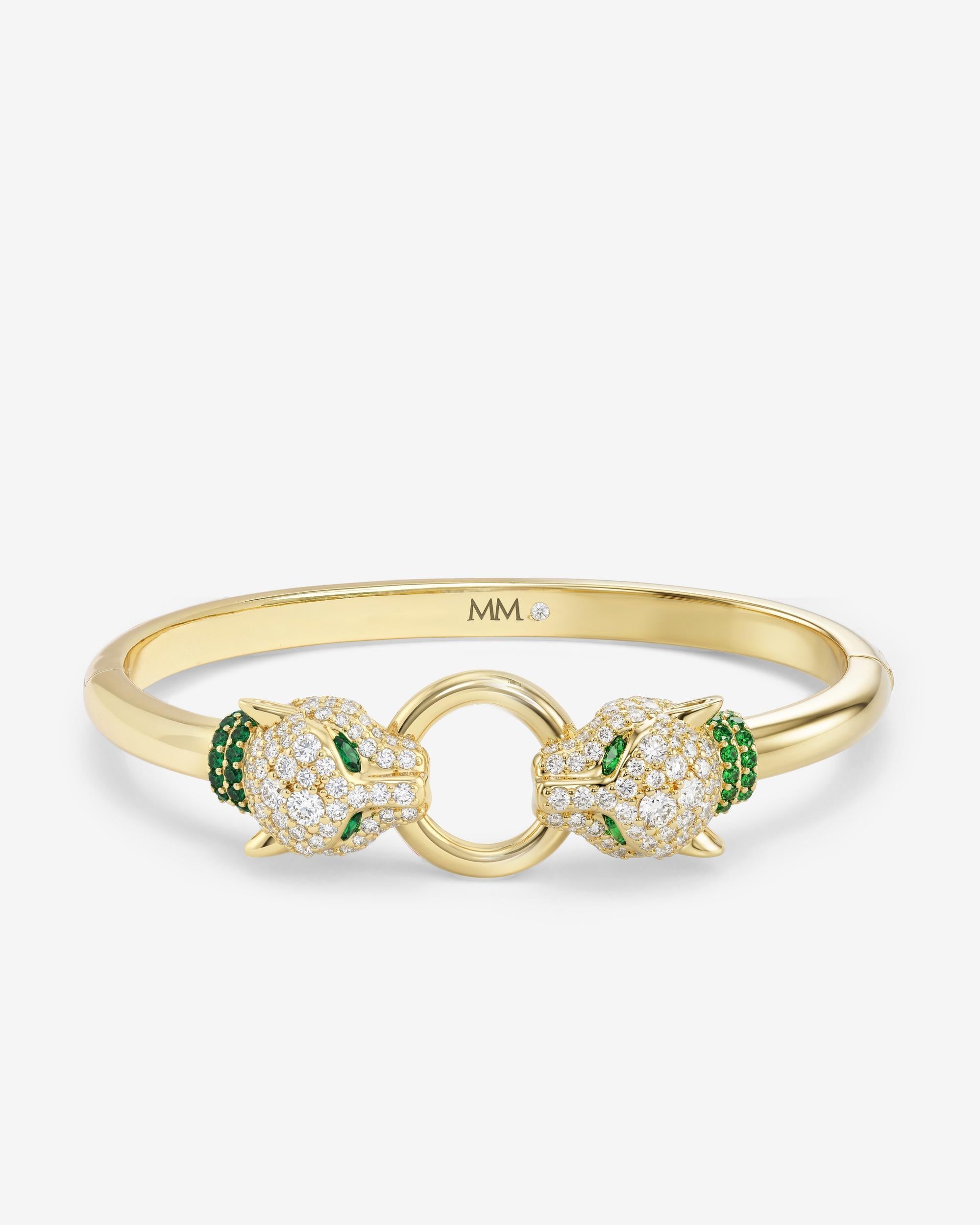
Budget Alternative
Melinda Maria — Jaguar Cuff Bracelet Gold|White Diamondettes
The jaguar cuff in gold and white diamondettes — fierce, sculptural, and carrying every ounce of the big cat energy Jeanne Toussaint intended.
Hermès
Clic H Bracelet
Introduced 2007 • Paris
The Origin
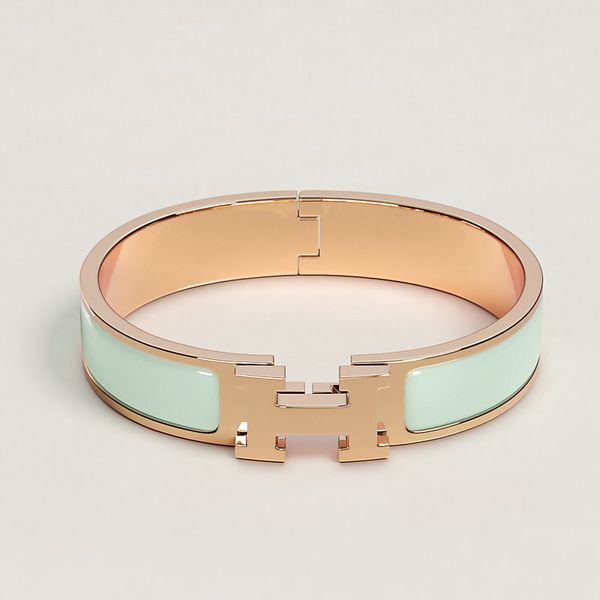
The Hermès Clic H was introduced in 2007 as a relatively accessible entry point into the Hermès universe — a slim enamel bangle with a gold H clasp that snaps (hence "clic") onto the wrist with a deeply satisfying sound. At a price point significantly below the Birkin or Kelly, the Clic H became the gateway piece for a generation of Hermès admirers — the piece that gave you that orange box without requiring a waitlist measured in years.
The H clasp is the piece's masterstroke — simultaneously the house's initial, a graphic symbol, and a functional closure. The enamel comes in dozens of colors, making the Clic H one of the most collectible bracelets ever produced: people buy them in every colorway, stack them, and trade them on the secondary market at prices that have never declined.
Symbolism: The Clic H is about belonging — to the Hermès world, to a certain understanding of quality and understatement. The H is not a shout. It is a whisper that only people who know, know. That quality of coded luxury — beautiful to everyone, meaningful to those who understand — is exactly what makes the Clic H so enduringly coveted.
Who Wore It
Budget Alternative
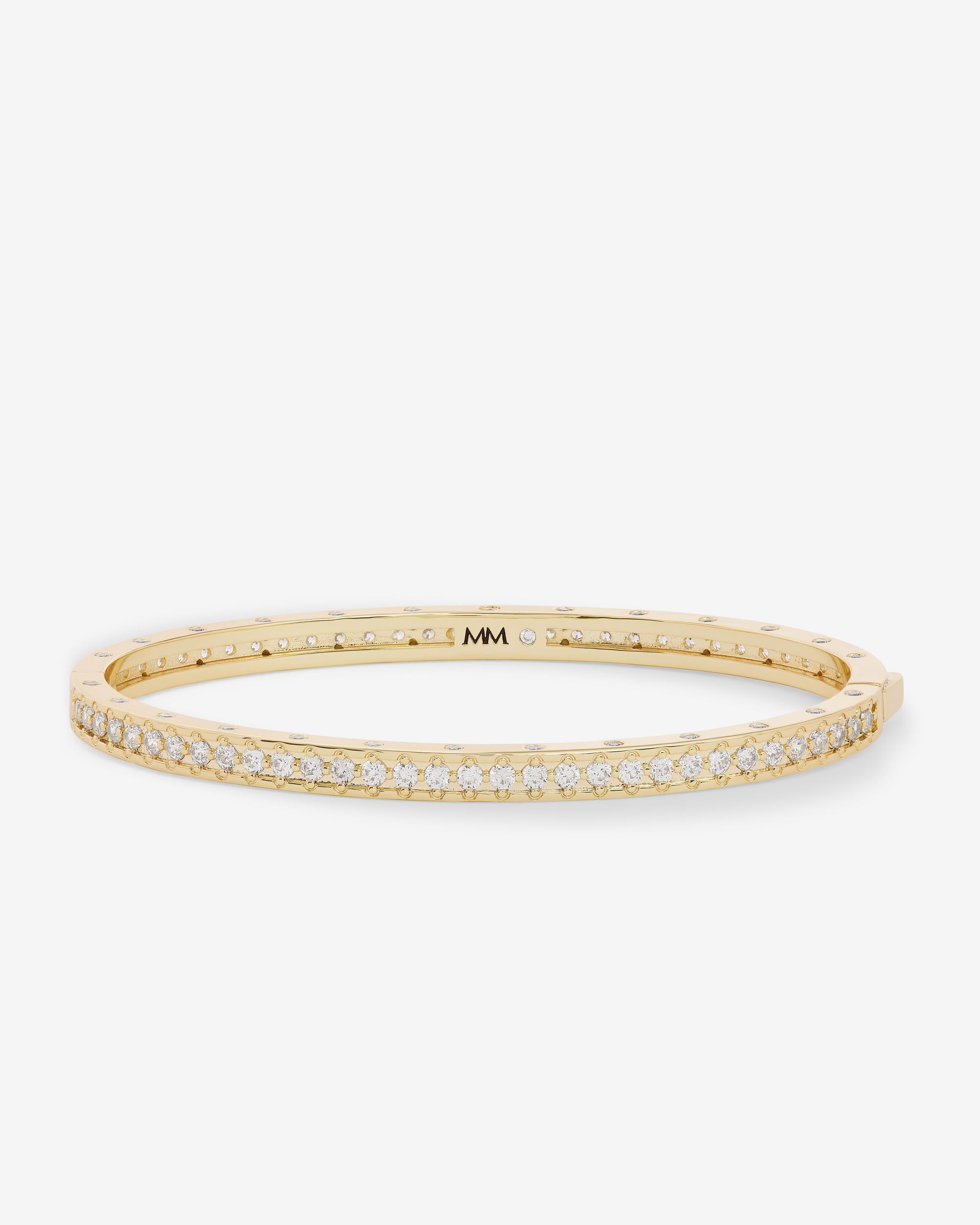
Melinda Maria — Ashley Pavé Cuff 4mm Gold|White Diamondettes
The sleek cuff in gold and white diamondette pavé — the same wrist presence, the same understated luxury energy.
Various Houses — A Universal Icon
The Tennis Bracelet
Named 1987 • Chris Evert • US Open
The Origin
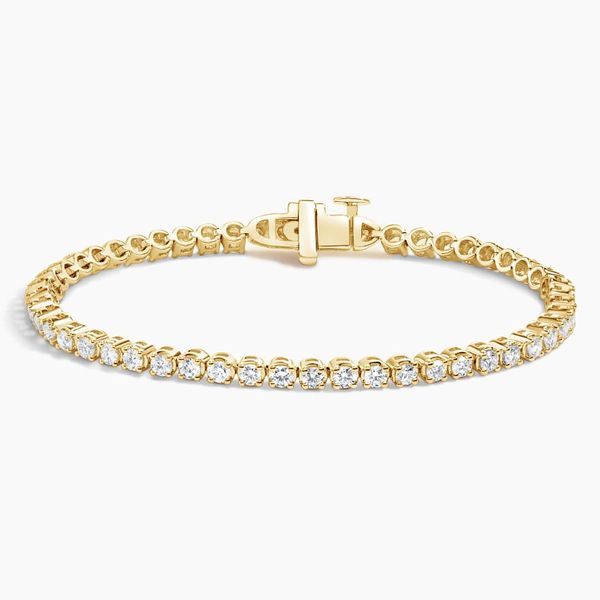
The diamond line bracelet — a continuous row of individually set diamonds linked in a flexible chain — existed for decades before it was called a tennis bracelet. In 1987, during the US Open, tennis champion Chris Evert's diamond line bracelet snapped and fell off her wrist mid-match. She stopped play and asked officials to pause the game while she searched for it. The image of a woman stopping a Grand Slam match for her jewelry entered the cultural consciousness immediately. The bracelet style was renamed on the spot, and has been called a tennis bracelet ever since.
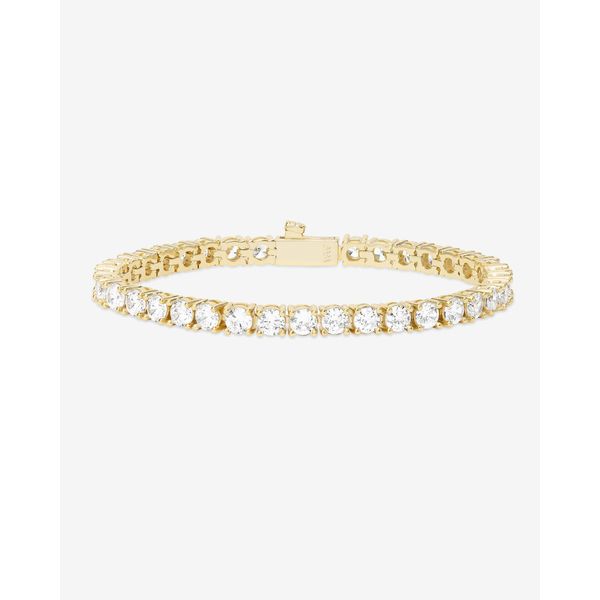
The tennis bracelet is now produced by virtually every jewelry house in the world, from Cartier and Harry Winston to accessible fashion brands. Its democratization is part of its power — it is the one piece of fine jewelry that truly crosses every price point while remaining immediately recognizable. A single row of diamonds, set as closely as possible, encircling the wrist. Simple. Perfect. Impossible to tire of.
Symbolism: Continuity, refinement, the circling of light around the wrist. The tennis bracelet is the closest jewelry comes to pure abstraction — it is not shaped like anything, it does not represent anything, it simply is beautiful. That purity is its power.
Who Wore It
Budget Alternative
Melinda Maria — Grand Heiress Tennis Bracelet 4mm Gold|White Diamondettes
The tennis bracelet in gold and white diamondettes — in-line sparkle, continuous brilliance, and Melinda Maria's signature finish.
Tiffany & Co. — Elsa Peretti
Bone Cuff
Introduced 1976 • Elsa Peretti
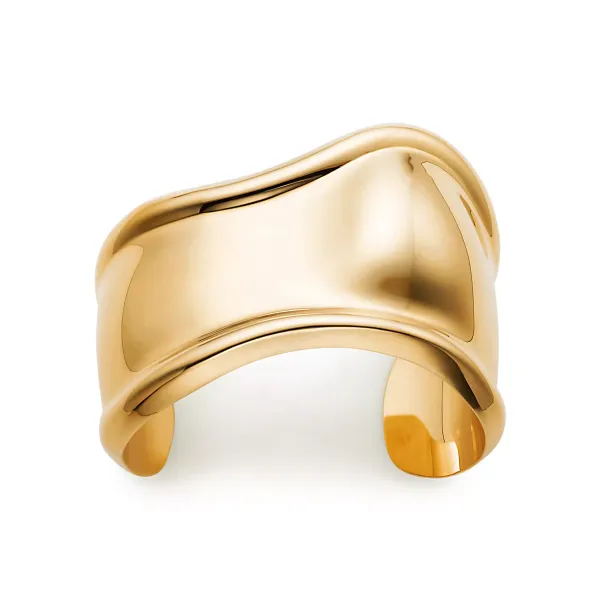
The Origin
Elsa Peretti arrived at Tiffany & Co. in 1974 as a former model and sculptor who had been making jewelry for her designer friends — Halston, Giorgio di Sant'Angelo — from the raw materials of everyday life. Her Bone Cuff, introduced in 1976, was shaped directly from the human femur — cast first in silver, conforming to the contours of the body it was made to encircle. It was one of the first pieces of fine jewelry to draw its form explicitly from human anatomy.
Peretti's entire body of work at Tiffany — the Bean pendant, the Open Heart, the Mesh series — shared this radical idea: that beautiful objects should look like they belong to the body wearing them, not like objects placed upon it. The Bone Cuff is the most literal expression of that philosophy. It is simultaneously abstract and visceral, minimal and deeply strange. No one who sees it in person forgets it.
Symbolism: The body as the origin of beauty. Peretti believed that jewelry should emerge from the human form rather than be imposed upon it — that the most natural shape for something worn on the body was a shape the body already knew. The Bone Cuff asks you to see yourself as the raw material of art.
Who Wore It
Budget Alternative
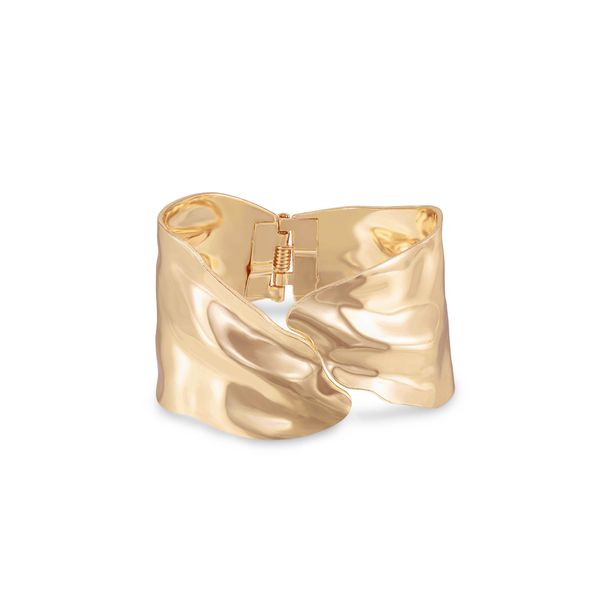
Ettika — Melted Abstract Cuff Bracelet
An organic, sculptural cuff with the same body-referencing fluidity Elsa Peretti pioneered — beautifully abstract and genuinely wearable.
Tiffany & Co. — Paloma Picasso
Paloma Picasso X Ring
Introduced 1980 • Paloma Picasso
The Origin
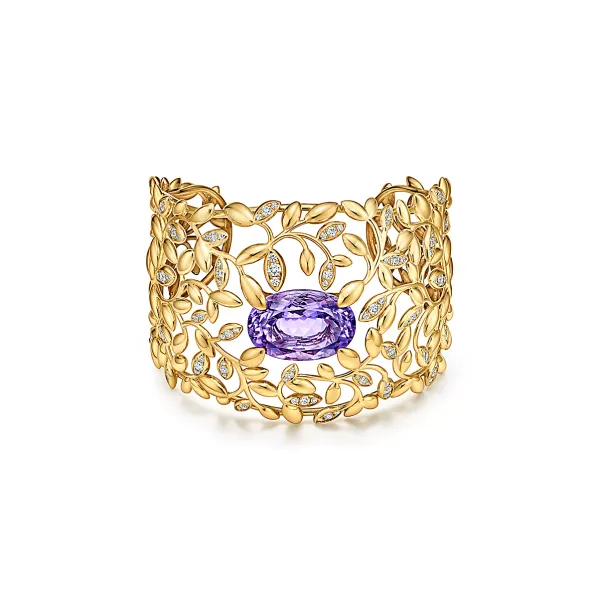
Paloma Picasso — daughter of Pablo Picasso and Françoise Gilot, and one of the most significant jewelry designers of the twentieth century — joined Tiffany & Co. in 1980 and immediately transformed what the house was capable of. Her X ring, with its two interlocking bands forming a graphic X in gold and diamonds, became one of the most imitated designs in jewelry history. The form is simple to the point of severity. The execution is flawless.
Paloma brought to Tiffany something the house had not previously possessed: a design vocabulary rooted in Cubism, in the bold geometry of mid-century modernism, in the visual language of art rather than decoration. Her work at Tiffany is some of the finest jewelry design of the twentieth century, and the X ring is its most essential expression.
Symbolism: The X is simultaneously a kiss, a crossing, a marking, and a meeting point. Two lines that intersect — finding each other at the center, holding each other in place. Paloma's X ring is about the beauty of intersection: two things becoming something greater than either alone.
Who Wore It
Budget Alternative
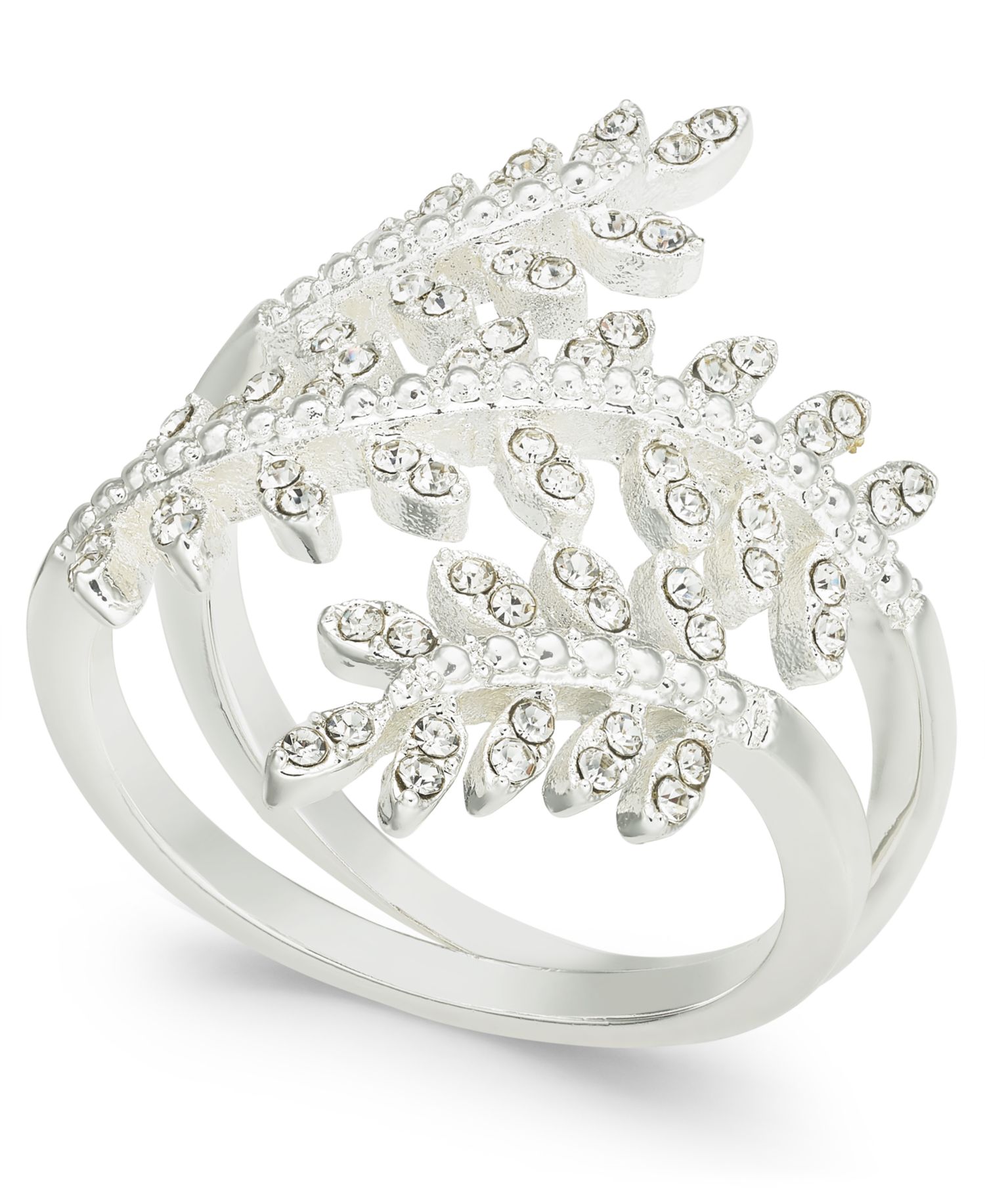
Charter Club — Fine Silver Plate Crystal Leaf Wrap Ring
A crystal wrap ring with the same graphic, sculptural energy as the Paloma X — bold, beautiful, and unmistakably intentional.
Cartier
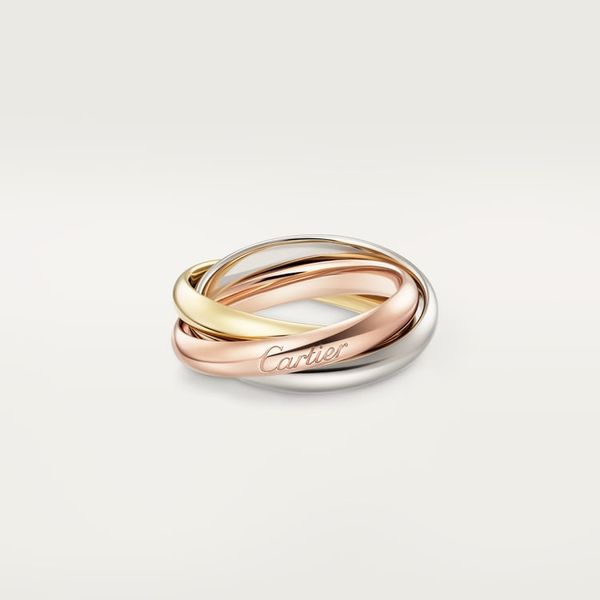
Trinity Ring
Introduced 1924 • Louis Cartier for Jean Cocteau
The Origin
In 1924, Louis Cartier designed a ring of three interlocking bands — one in white gold, one in yellow gold, one in rose gold — for his friend, the poet and filmmaker Jean Cocteau. Cocteau wore it on his little finger and told everyone who asked that the three bands represented friendship, fidelity, and love — the three elements, he believed, that any lasting relationship required. The story became the ring's mythology, and Cartier adopted it wholesale.
One hundred years later, the Trinity Ring is Cartier's best-selling piece of jewelry in the world. It has been in continuous production since 1924 — an almost unthinkable achievement in an industry driven by fashion and novelty. The three interlocking bands spin freely on the finger, a physical reminder of the three things they represent. It is difficult to think of a more elegant piece of jewelry philosophy made physical.
Symbolism: White gold for friendship, yellow gold for fidelity, rose gold for love — three distinct elements that interlock so perfectly they become a single object. The Trinity Ring is about the alchemy of relationship: how separate things, brought into contact, create something neither could be alone.
Who Wore It
Budget Alternative
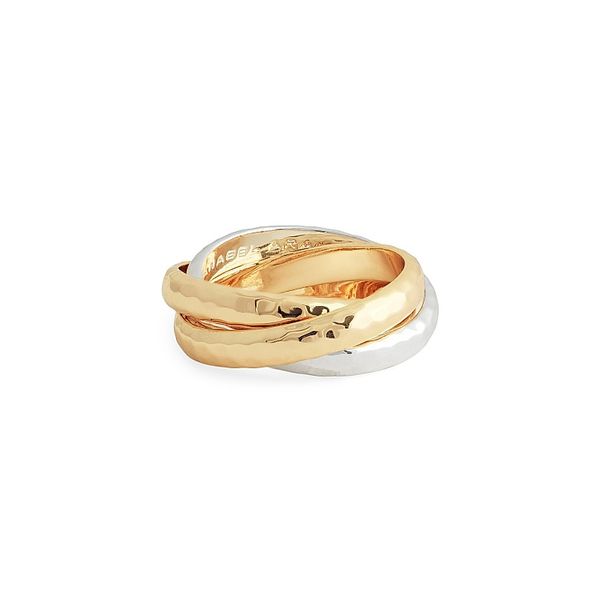
Anabel Aram — Farrier 18K Gold-Plated & Sterling Silver Triple Band Ring
Three interlocking bands in mixed metals — the same friendship, fidelity, and love symbolism that Jean Cocteau first put into words.
Messika
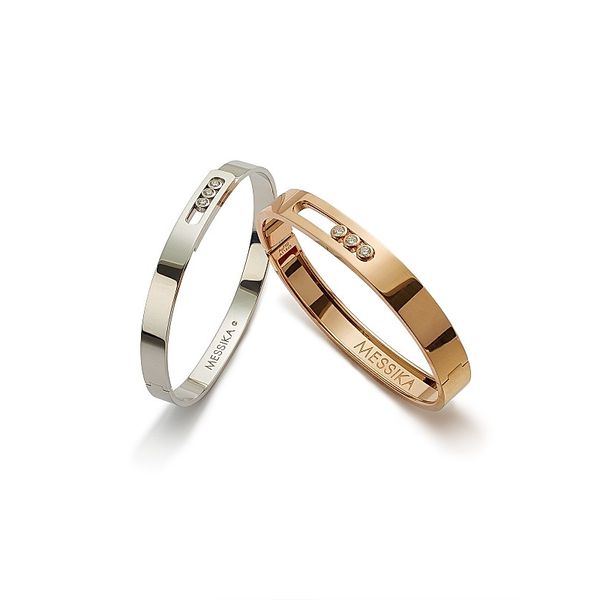
Move Bracelet
Introduced 2006 • Valérie Messika • Paris
The Origin
Valérie Messika founded her eponymous house in 2005 with a single revolutionary idea: make diamonds move. The Move collection, launched in 2006, featured diamonds set in a channel that allowed them to slide back and forth freely — catching light from every angle, dancing with the wearer's movement, alive in a way that static settings could never be. It was the most significant innovation in diamond setting since the invention of the pavé technique, and it created an entirely new visual vocabulary for fine jewelry.
Messika positioned diamonds as something to be worn every day — stacked, layered, mixed with other pieces, worn to the supermarket and to the red carpet without changing what was on your wrist. This democratization of diamond jewelry, combined with the technical innovation of the Move setting, created a house that achieved in two decades what most luxury brands spend a century building. The Move bracelet is the piece that built Messika — and continues to define it.
Symbolism: Motion, life, the diamond as something living rather than static. Messika's Move pieces reject the idea that precious things should be locked away, displayed, or worn only on special occasions. The moving diamond is an argument for presence: be here, move, let the light find you wherever you are.
Who Wore It
Budget Alternative
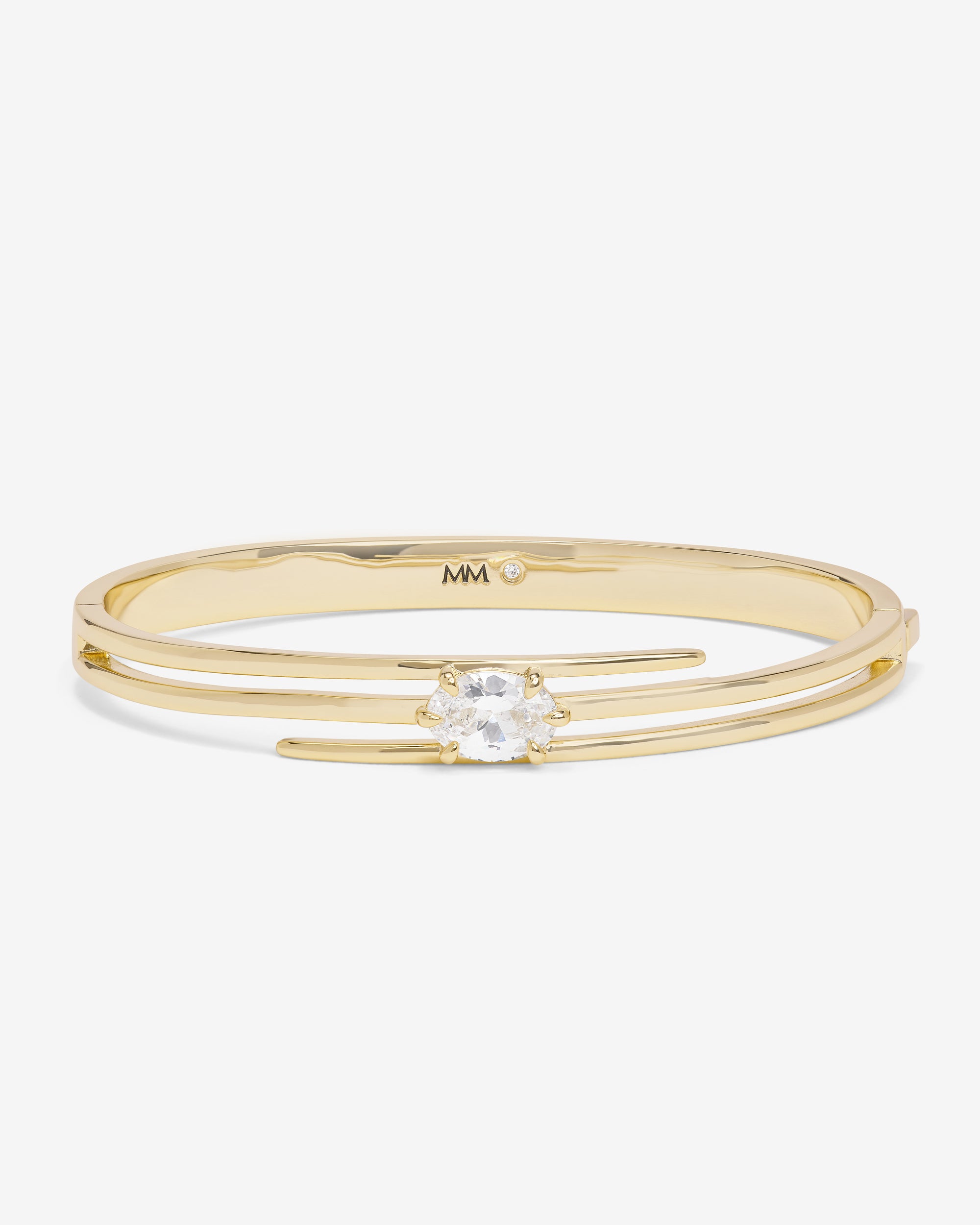
Melinda Maria — She's On Point Lasso Cuff Gold|White Diamondettes
A cuff that moves and catches light with every gesture — Melinda Maria's answer to the Messika Move's diamond-in-motion philosophy.
On investing in iconic jewelry
The pieces on this list share one quality beyond their beauty and history: they hold value. Not just monetary value — though many appreciate significantly — but cultural value. The Cartier Love Bracelet, the Alhambra, the Trinity Ring: these pieces will be as desirable in fifty years as they are today, because the stories attached to them only deepen with time. Buying an icon is not spending money. It is joining a conversation that began before you arrived and will continue long after.


