
There is no print that has appeared more consistently across more decades of fashion than the polka dot. It has been worn by Marilyn Monroe in a bikini, Princess Diana at Royal Ascot, Audrey Hepburn in Breakfast at Tiffany's, and Julia Roberts in Pretty Woman. As Canadian designers Heidi Sopinka and Claudia Dey put it: "Polka dots are eternally fascinating because they are both a statement print and a neutral." In 2026, the dot is bigger, bolder, and more fashion-forward than it has been in decades. Here is the complete story — where it came from, what it means, every variant, and exactly what to buy right now.
The Dot as Bad Omen
In medieval Europe, where brocades and jacquards were the fabrics of the rich, polka dot prints were largely unheard of — in fact, the actual look of the dot was associated with negative things like diseases and bad omens. The robes and bandages stained from leprosy and other diseases like bubonic plague created round-looking splodges. Round marks on fabric were something you avoided, not celebrated. The dot's rehabilitation from disease symbol to fashion icon is one of the more dramatic reversals in textile history.
The Name: It Came from a Dance
While its name may evoke images of joyful prints on vintage dresses, "polka dot" actually finds its origin in the Polka dance. The name "polka dot" comes from the Bohemian polka — a vibrant and energetic dance from the 19th century that swept through Europe in a craze. The word "polka" was used to refer to many items of clothing during the height of the trend — perhaps due to its lighthearted association. In fashion, polka dots first appeared in the 1840s, used on small accessories such as bow ties, headbands, and handkerchiefs. Fashion historians agree that polka dots as we know them today originated in mid-19th century England, where aristocratic style lovers were particularly fond of polka dot dresses, scarves, and bow ties at important events.
Jazz Age Dots & Minnie Mouse
The pattern began spreading and became a fashion icon from the 1920s. The Jazz Age's appetite for playful, geometric prints made the dot a natural fit — it was graphic without being aggressive, and feminine without being fussy. Minnie Mouse first wore polka dots in 1935 — a cultural moment that permanently associated the dot with a particular kind of cheerful, accessible femininity that Disney would export globally for the next ninety years.
Dior, Marilyn, and the New Look
In the aftermath of World War II, Christian Dior's 1947 "New Look" was a direct rejection of wartime austerity. He used polka dots to signal this return to exuberant, hopeful femininity — sprinkled across his wasp-waisted gowns and full, flowing skirts, the dots were charming, joyous, and the very epitome of sophisticated Parisian chic. By 1954, the best-selling version of Christian Dior's famous New Look was the polka dot. Hubert de Givenchy launched his own spotty gown the following year, reversed as black on white. Audrey Hepburn wore pink dots in Breakfast at Tiffany's. Marilyn Monroe — possibly the inspiration for the 1960 song "Itsy Bitsy Teeny Weeny Yellow Polka Dot Bikini," which reached #1 on the Billboard charts — made the bikini version iconic.
Twiggy, Mary Quant & the Art World
Twiggy wore dots in 1960s Mod culture. The pattern became a mainstay in Mary Quant's swinging sixties designs. But the decade's most significant dot moment came from outside fashion entirely: throughout the '60s, the artist Yayoi Kusama became known for the busy dotted swarms that covered her paintings — an obsessive, therapeutic use of the dot that would eventually make her one of the world's most recognisable living artists and lead to her iconic 2023 Louis Vuitton collaboration.
Princess Diana, Shoulder Pads & Oversized Spots
Just when you thought the dot couldn't get louder, the 1980s dialed everything up to eleven — oversized shoulders, cinched belts, and spots so big you could see them from across the dance floor. Designers like Emanuel Ungaro and Jean Paul Gaultier turned polka dots into a statement of confidence rather than coy femininity. Princess Diana wielded polka dots as a form of soft power — wearing them repeatedly throughout her lifetime, including when she left the hospital clutching her newborn son, Prince William, in 1982. Pop stars like Madonna and Cyndi Lauper brought dots into the rebellious streetwear scene, pairing them with lace gloves, neon accessories, and attitude.
Pretty Woman, Julia Roberts & the Red Dress
Julia Roberts wore polka dots in the polo match scene in Pretty Woman (1990) — a moment that embedded the print permanently in the cultural memory of one of the decade's most iconic films. For Carolina Herrera, the design was so key to her work in the 1980s and 1990s that when she launched her first fragrance in 1988, it arrived in a polka dotted box. The dot continued to recur across every subsequent decade: from the pin-up revival of the early 2000s to collaborations with Comme des Garçons and, eventually, Yayoi Kusama's return to fashion.
Kate Mirrors Diana — 31 Years Later
This was mirrored by Prince William's wife, Catherine Duchess of Cambridge, who wore a blue polka dot dress to leave the hospital with their firstborn, Prince George, 31 years later in 2013 — an almost certainly intentional echo of Princess Diana's 1982 hospital exit in the same print. A single outfit choice instantly placed the polka dot at the centre of a royal fashion conversation that circled the world's media within hours. At the 2022 Royal Ascot, Kate wore black and white polka dots again — a direct nod to Diana's 1988 Ascot look.
The Cultural Dot Hall of Fame
Katharine Hepburn — black and white polka dot pantsuit in Woman of the Year (1942). Marilyn Monroe — polka dot bikini photograph, 1951. Audrey Hepburn — pink polka dots in Breakfast at Tiffany's. Princess Diana — Royal Ascot 1988 and hospital departure 1982. Julia Roberts — the polo scene in Pretty Woman (1990). Princess Kate — hospital exit 2013 and Royal Ascot 2022.
Not all polka dots are equal. The size, spacing, colour contrast, and fabric all change the entire character of the print — from demure and classic to bold and maximalist. Here is your complete field guide.
"SS26's polka dot has well and truly found a modern look."
Designers including Dries Van Noten, Patou, Christian Siriano, Vetements, and Khaite all sent polka dots down the runway in forms that feel genuinely modern: bolder in scale, more unexpected in proportion, and increasingly willing to play with contrast. At Christian Siriano, the print was given full theatrical treatment — sweeping silhouettes and exaggerated volume that made a powerful case for dressing with joy. At Altuzarra, the print arrived on a sleek turtleneck dress; at Carolina Herrera, in exuberant contrast-colour combinations.
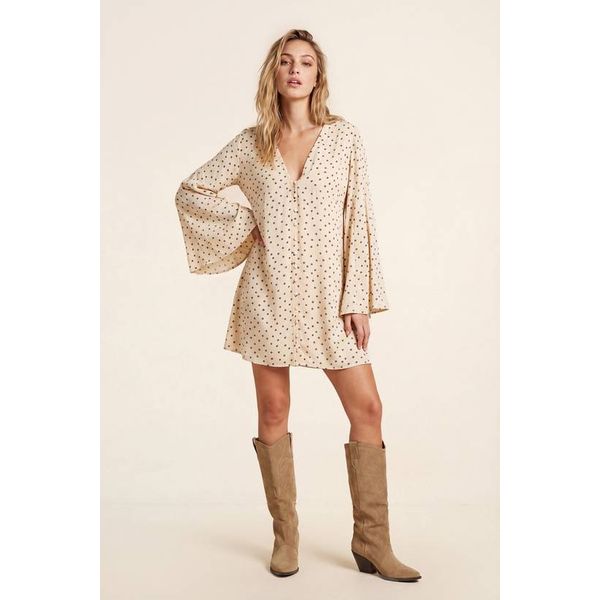
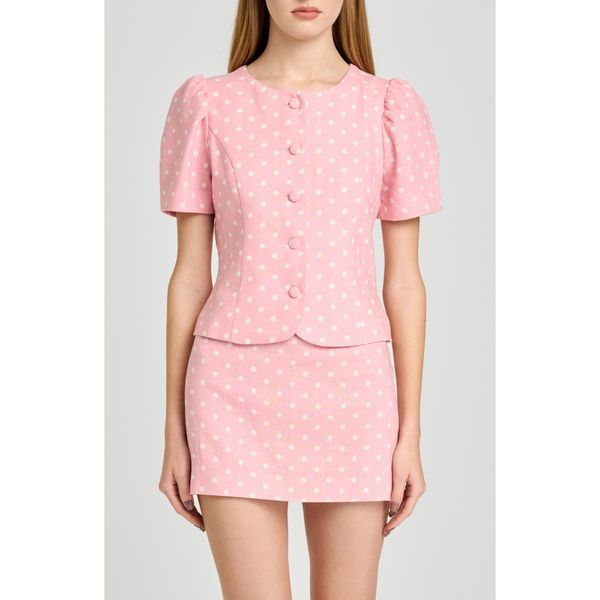
Based on Pre-Fall 2026 collections, 2026 sees the continued rise of polka dots. Tanya Taylor and Baum und Pferdgarten made the coolest spotted items for daytime, while Max Mara, Stella McCartney, and Valentino elevated the motif for evening. Polka dots return to the spotlight reaffirming themselves as a timeless fashion must-have — iconic, playful, and effortlessly versatile, elevating elegant dresses, lightweight blouses, and chic co-ords designed for every occasion.
"In these dark times, it makes sense that we are going toward something so classic and dependable, but also a print that contains such buoyancy and joy. Dots do this for us. They are timeless and grounded in the past, but contain an exuberance that is more magical than any other print."— Heidi Sopinka & Claudia Dey, Horses Atelier designers, CBC
What's actually new about polka dots in 2026
Scale: "We're seeing more polka dots in larger, more exaggerated scales, which gives them a slightly bolder, more fashion-forward feel," says Caroline Maguire, Shopbop's Senior Fashion Director.
Coin spots: Designers are ditching the tiny pin-dots in favour of "coin spots" — large, graphic circles that demand attention.
Pattern mixing: Brands are also pairing dots with other patterns — like florals or stripes — which makes it feel more unexpected.
3D dots: Beautiful organza overlays where the dots are actually embroidered or appliquéd onto sheer fabric.
Sequin and eyelet illusion dots: Tory Burch and Altuzarra's spring collections featured retro-inspired dress silhouettes adorned with sequins and eyelets that created the illusion of polka dots — a new material dimension for the print.
The 2026 Polka Dot Styling Rules
-
Size matters most. Coin spots and oversized dots are the designer choice this season. Pin-dots are classic; coin spots are the 2026 update.
-
Contrast is non-negotiable. High-contrast colourways (black/white, red/white, navy/cream) photograph better and command more attention. Low contrast disappears.
-
Volume is a feature, not a bug. Christian Siriano's SS26 polka dots arrived on exaggerated, theatrical silhouettes — the dot and the volume work together.
-
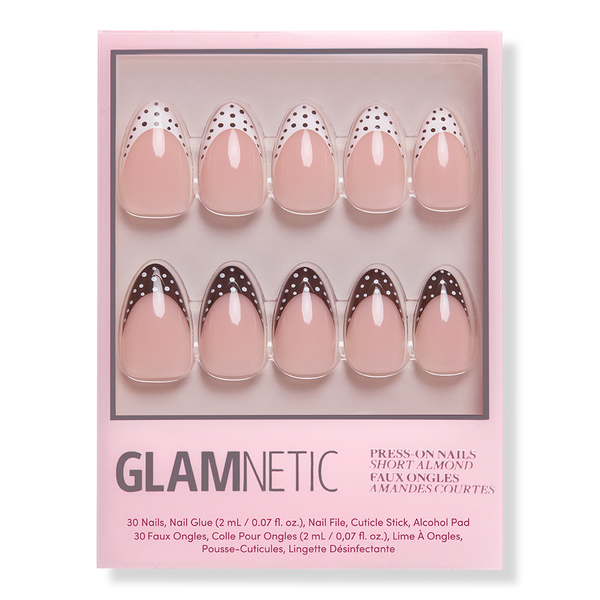
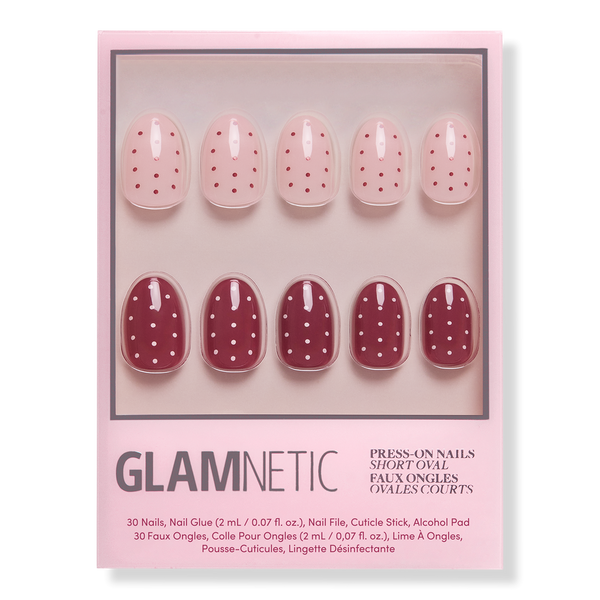
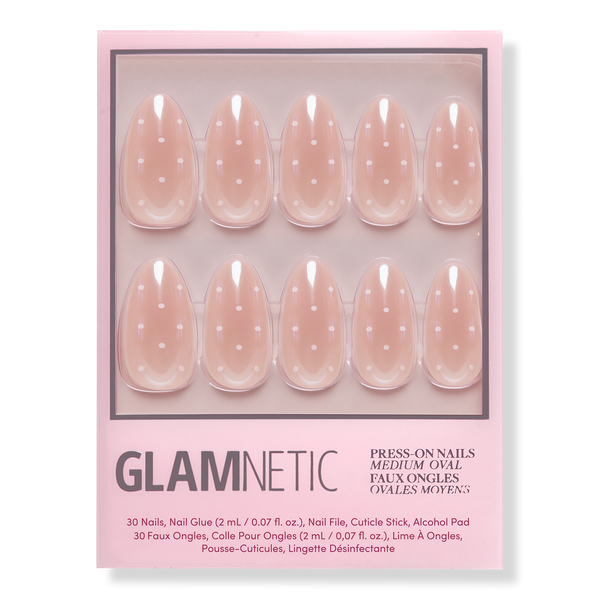
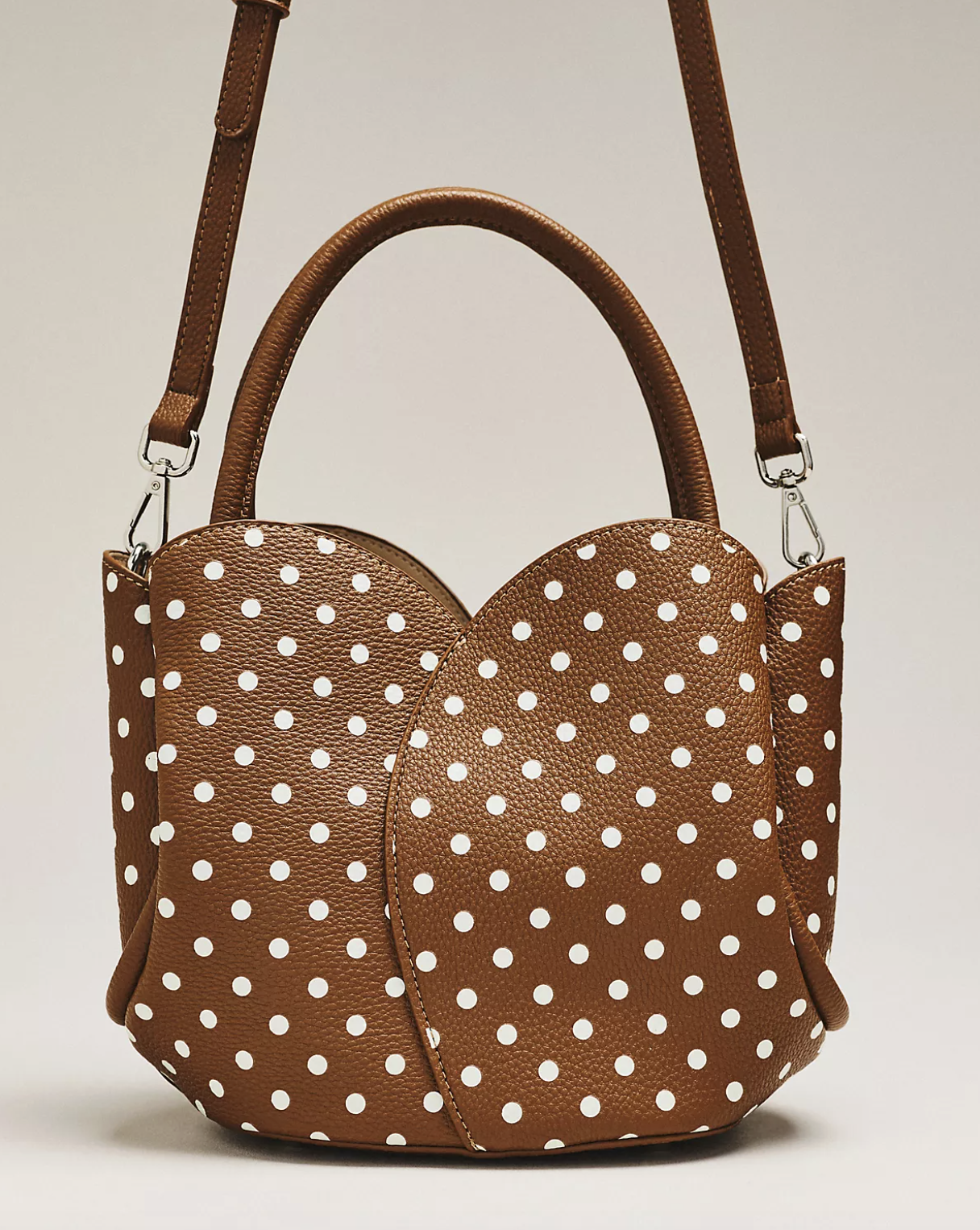
The unexpected placement is the move. Polka dot shoes, bags, or nails with an otherwise plain outfit is more interesting than a polka dot dress with polka dot accessories.
-
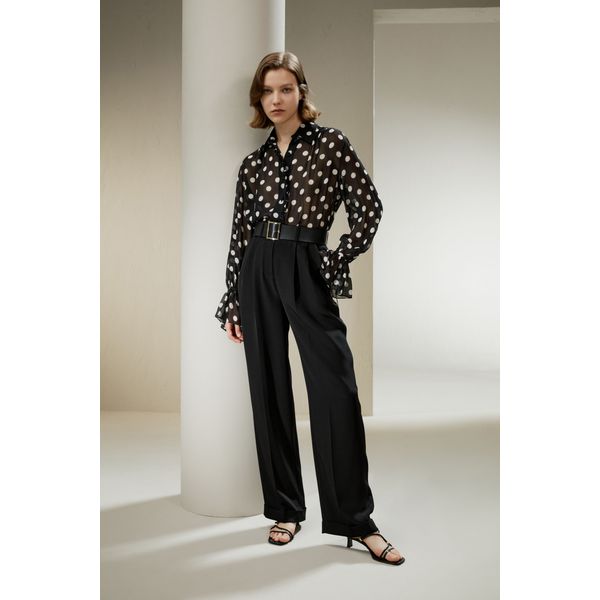
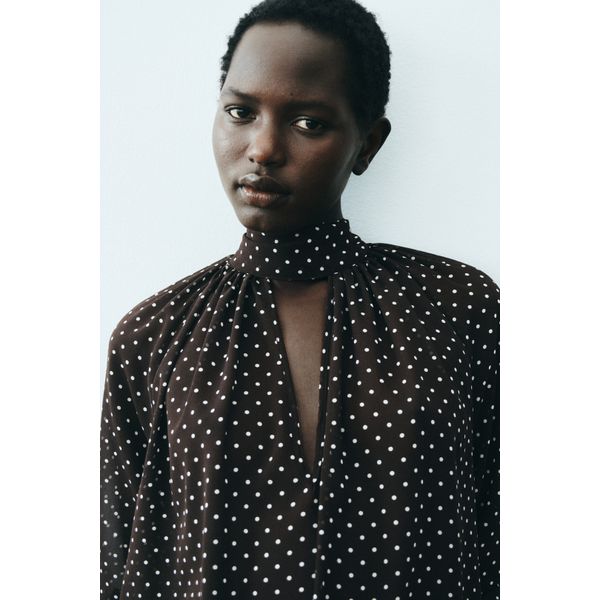
Sheer fabric elevates the print. A polka dot on organza, mesh, or chiffon reads as significantly more elevated than the same dot on cotton. The fabric is half the statement.
Shop all polka dot picks
🤎 Featured Deal: Brown Polka Dot Kitten Heels

Code: K01Y802A for extra 10%
Women's Pumps Kitten Heels with Bow — 2 Inch Closed Pointed Toe Slingback Satin. Shop through this link for 10% off automatically applied at checkout.
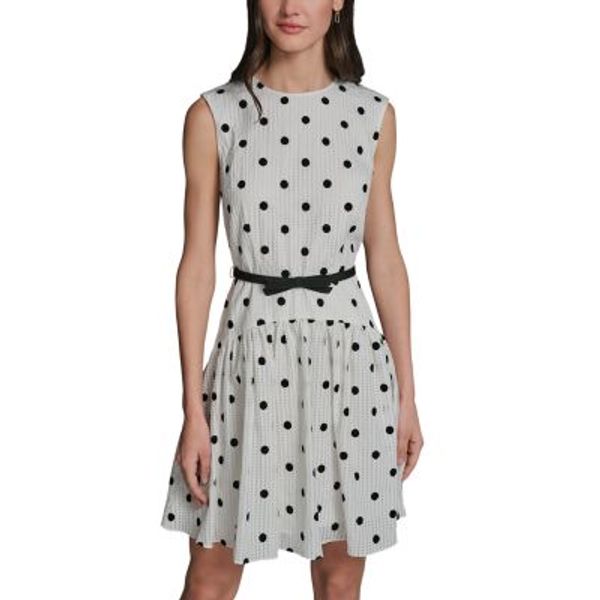
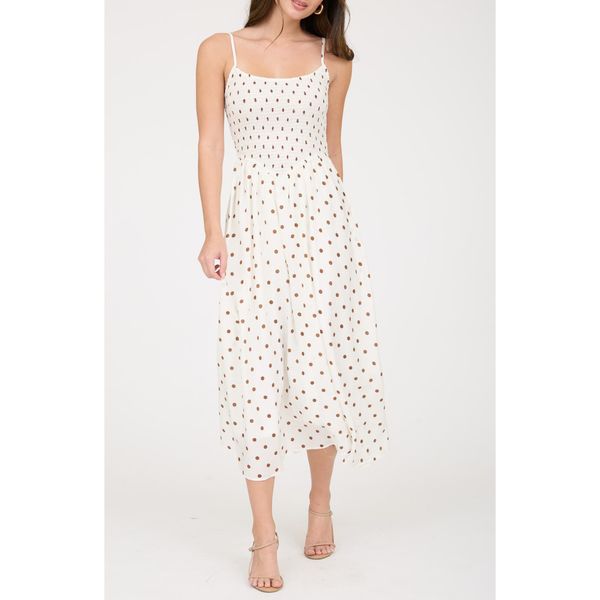
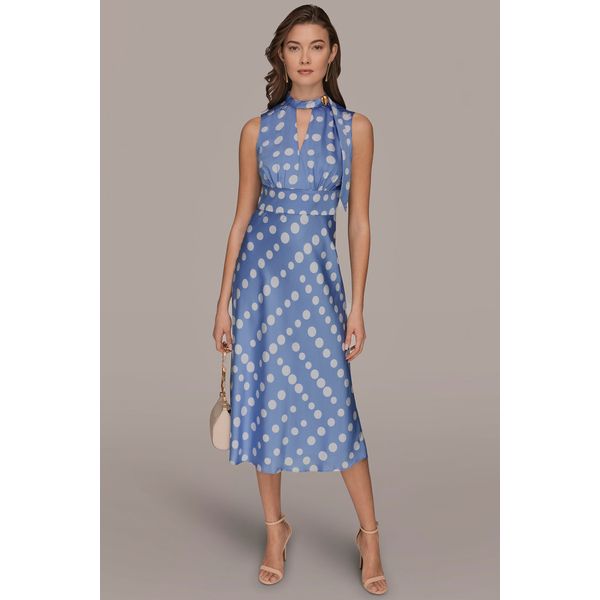
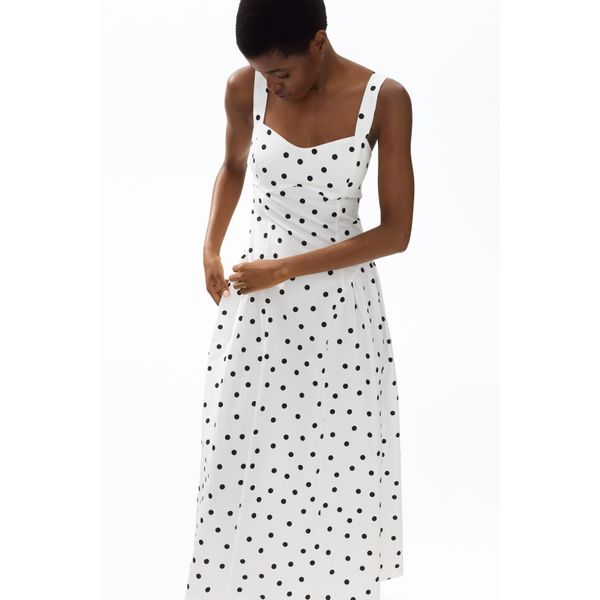
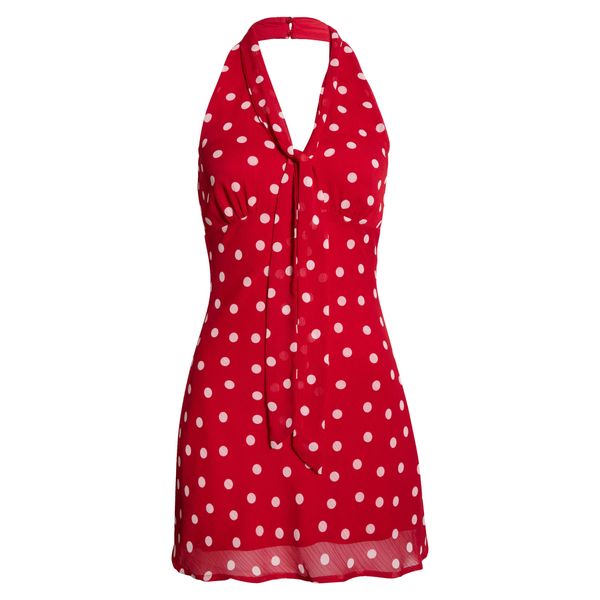
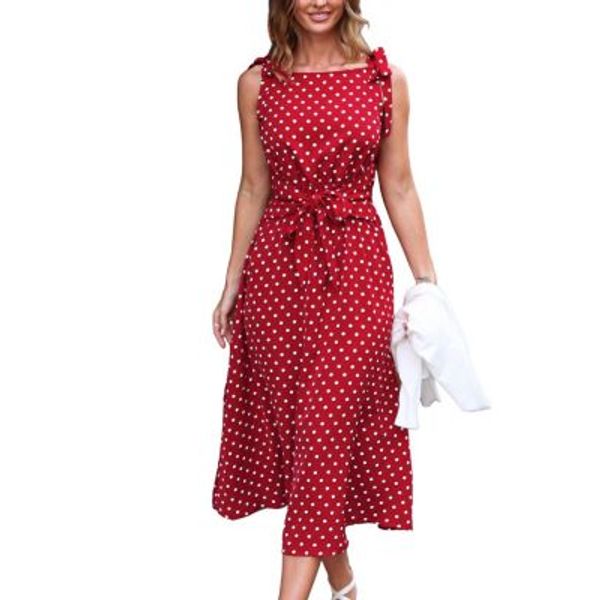
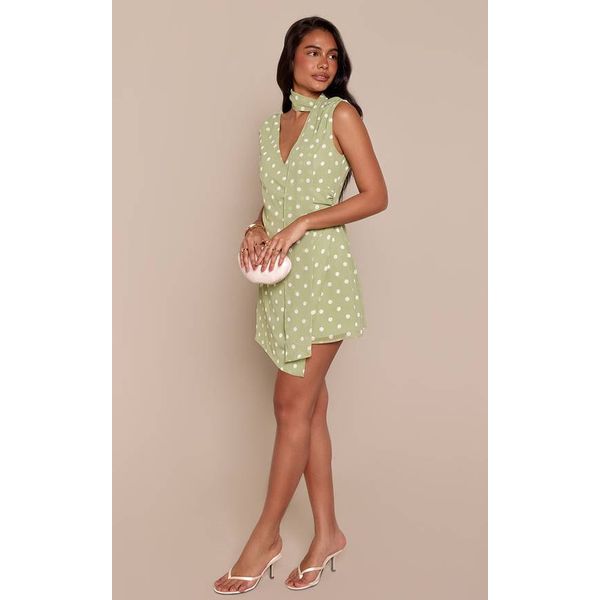
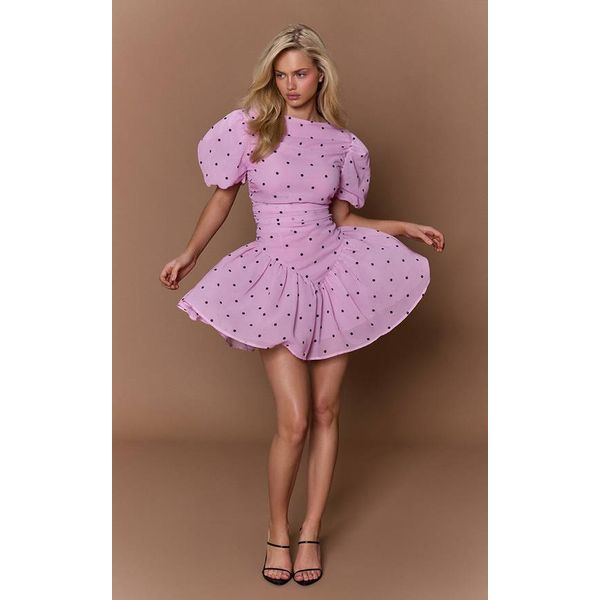
Polka Dot Dresses
Tops & Blouses
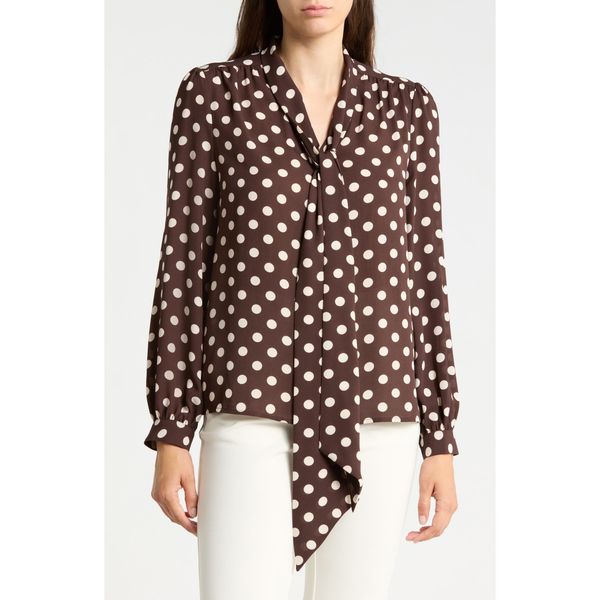
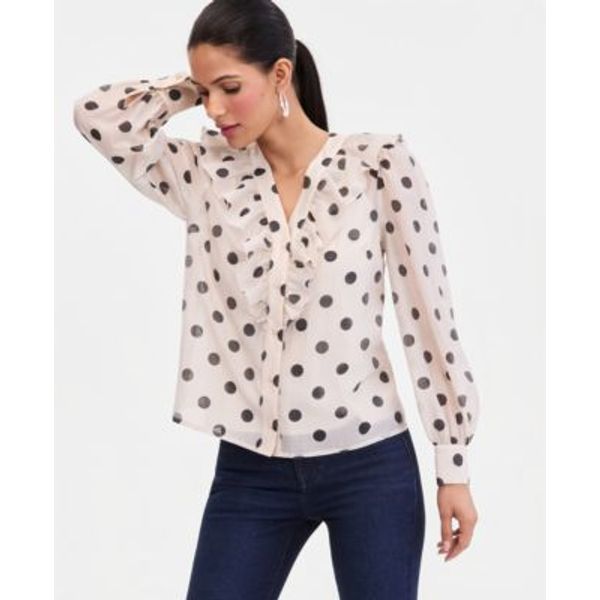
Shoes
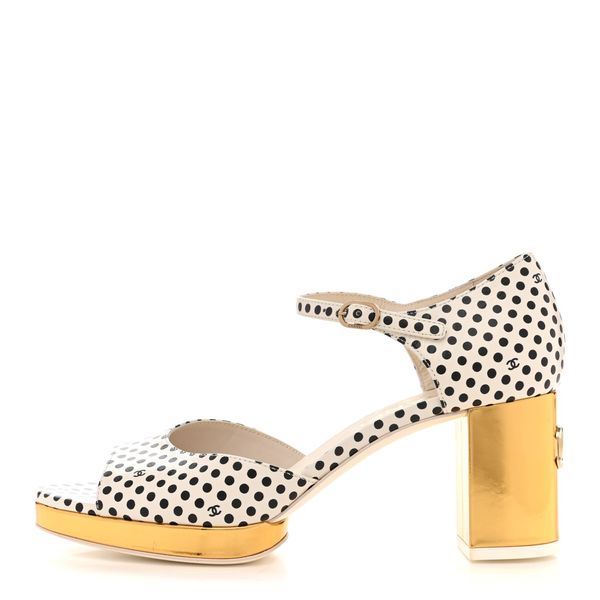
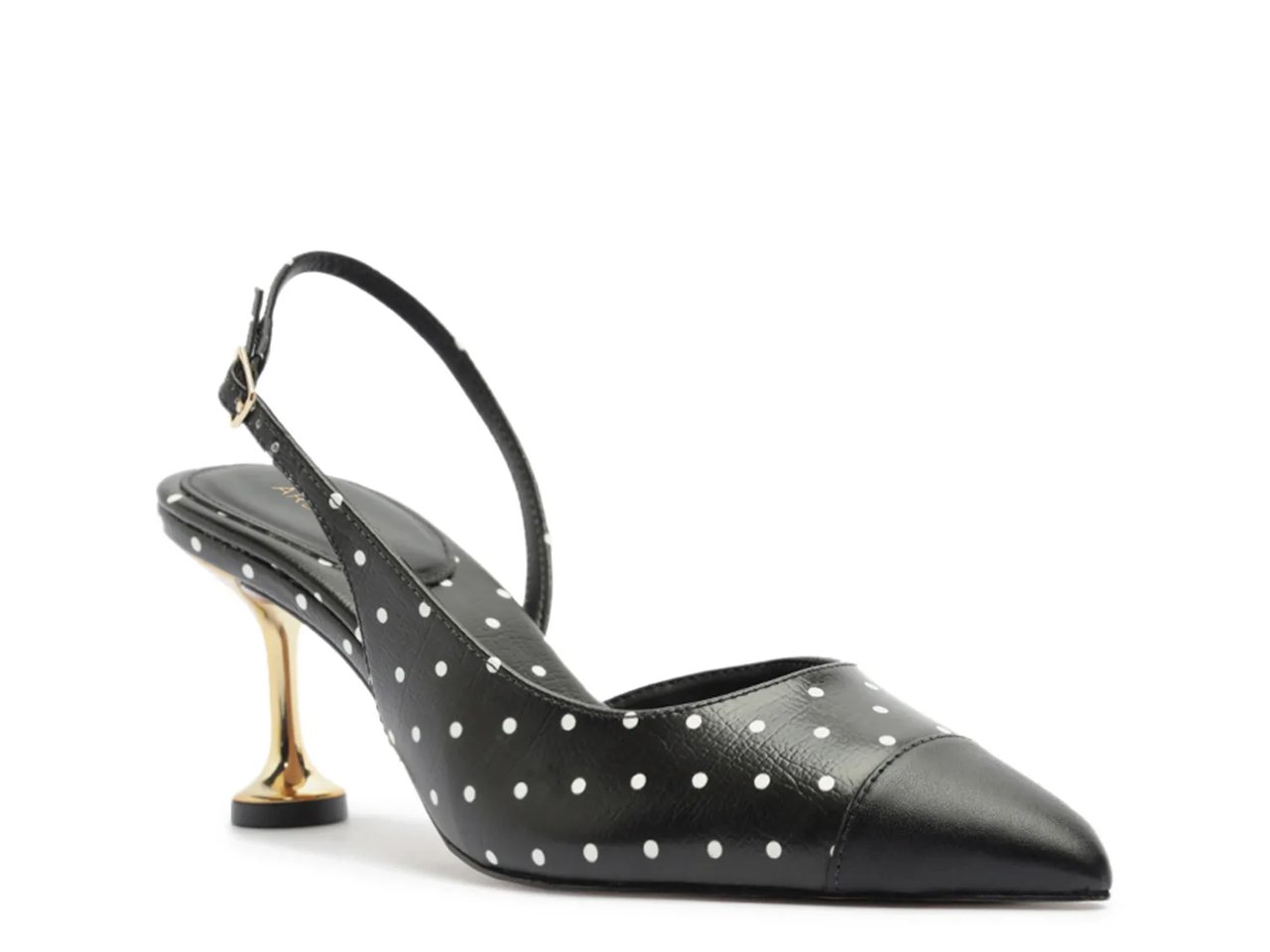
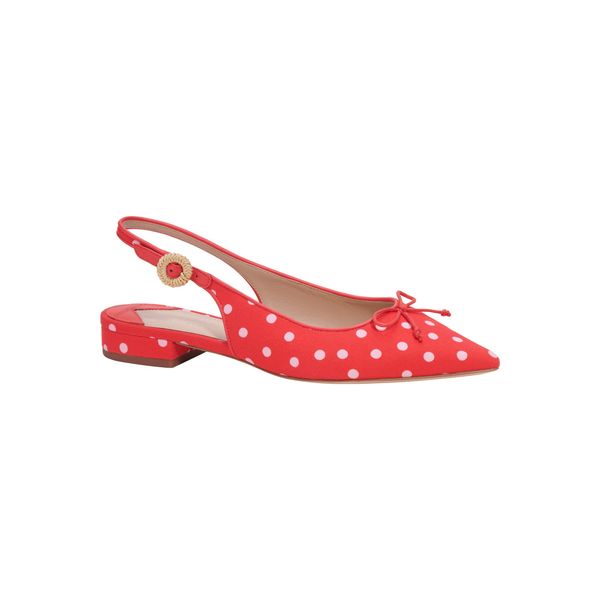
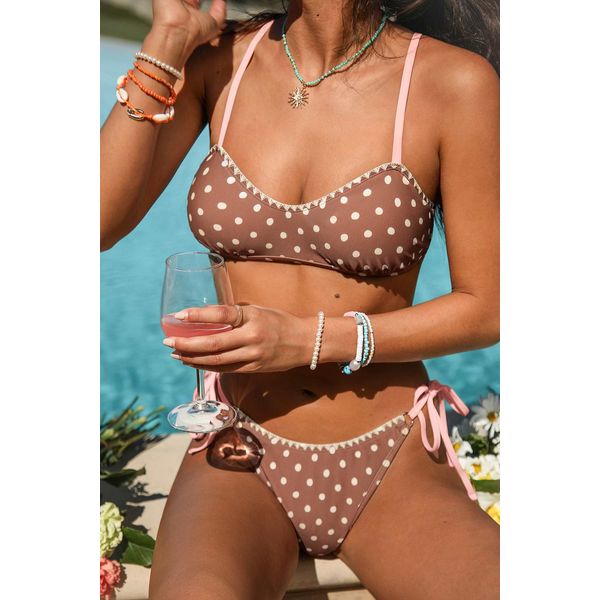
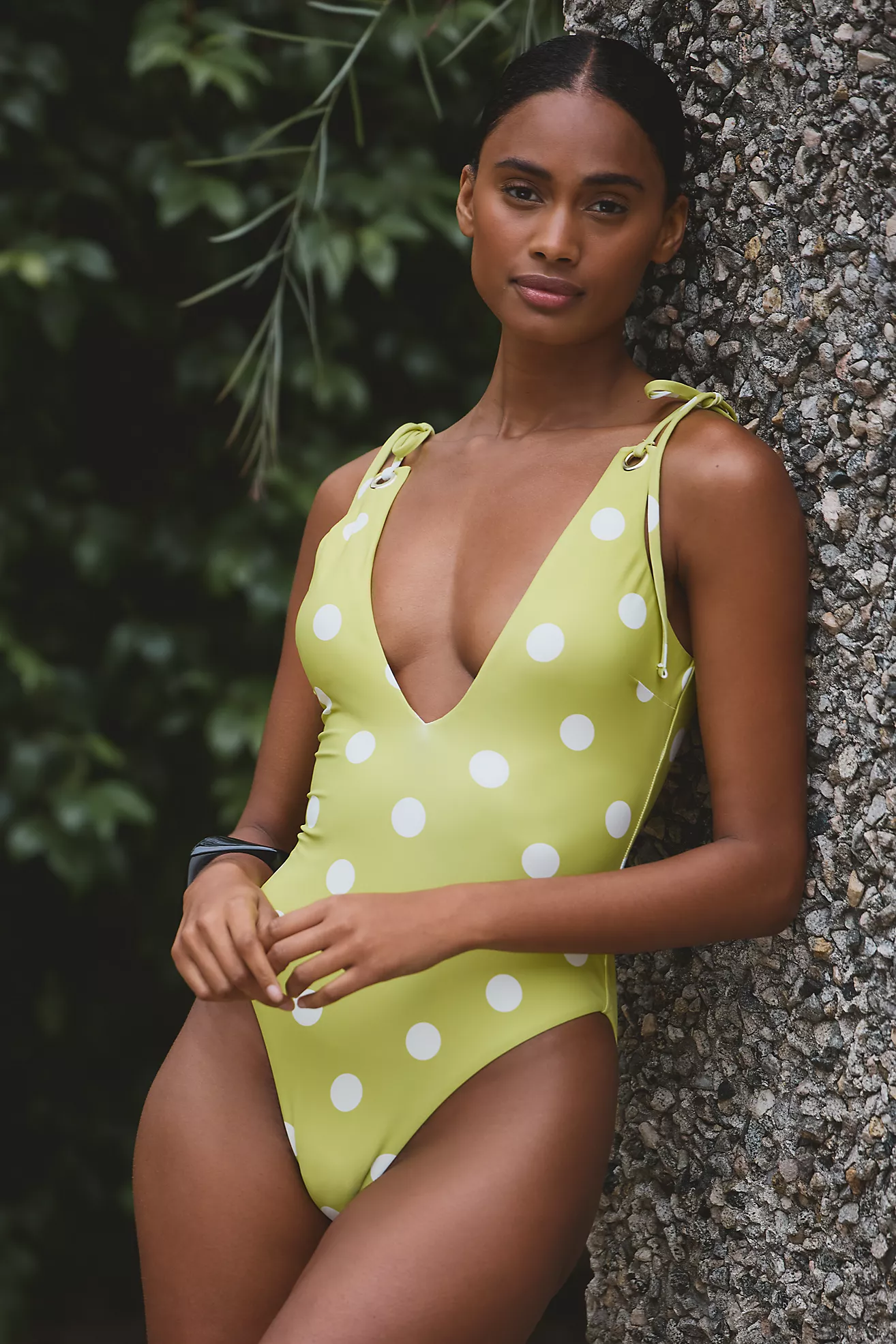
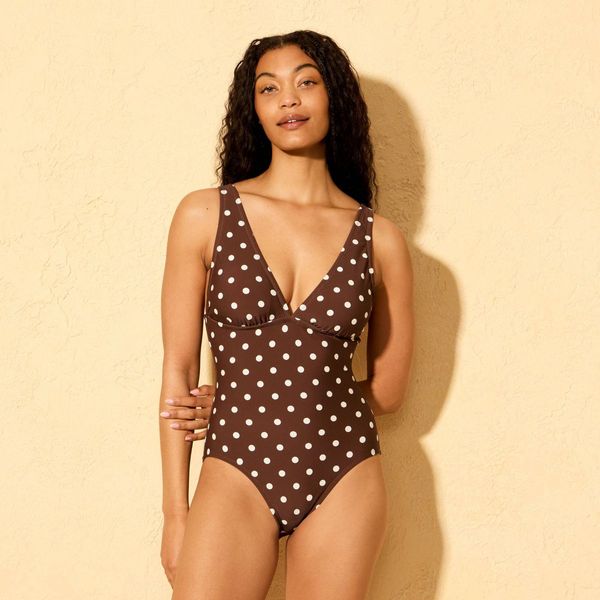
Swimwear — The Original Dot Moment
Press-On Nails — Glamnetic
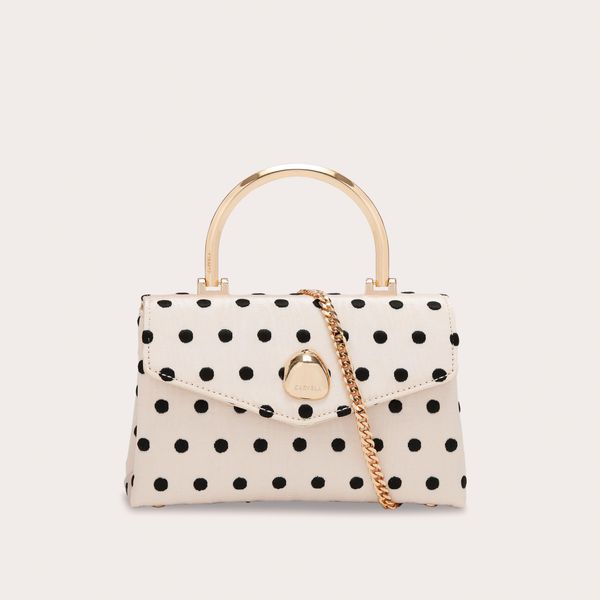
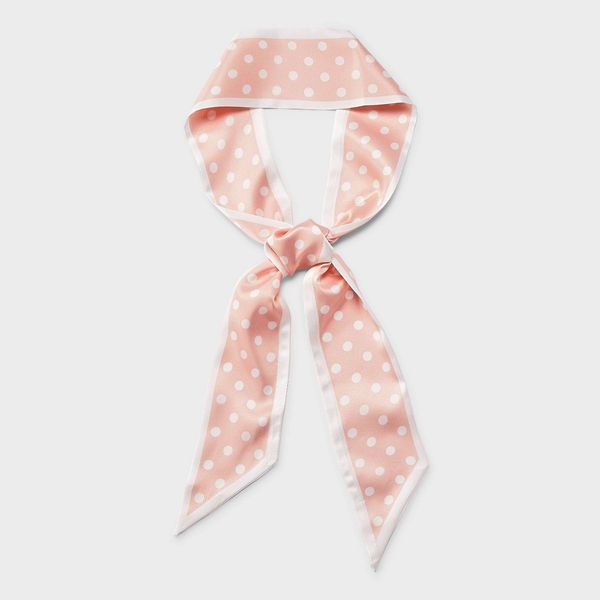
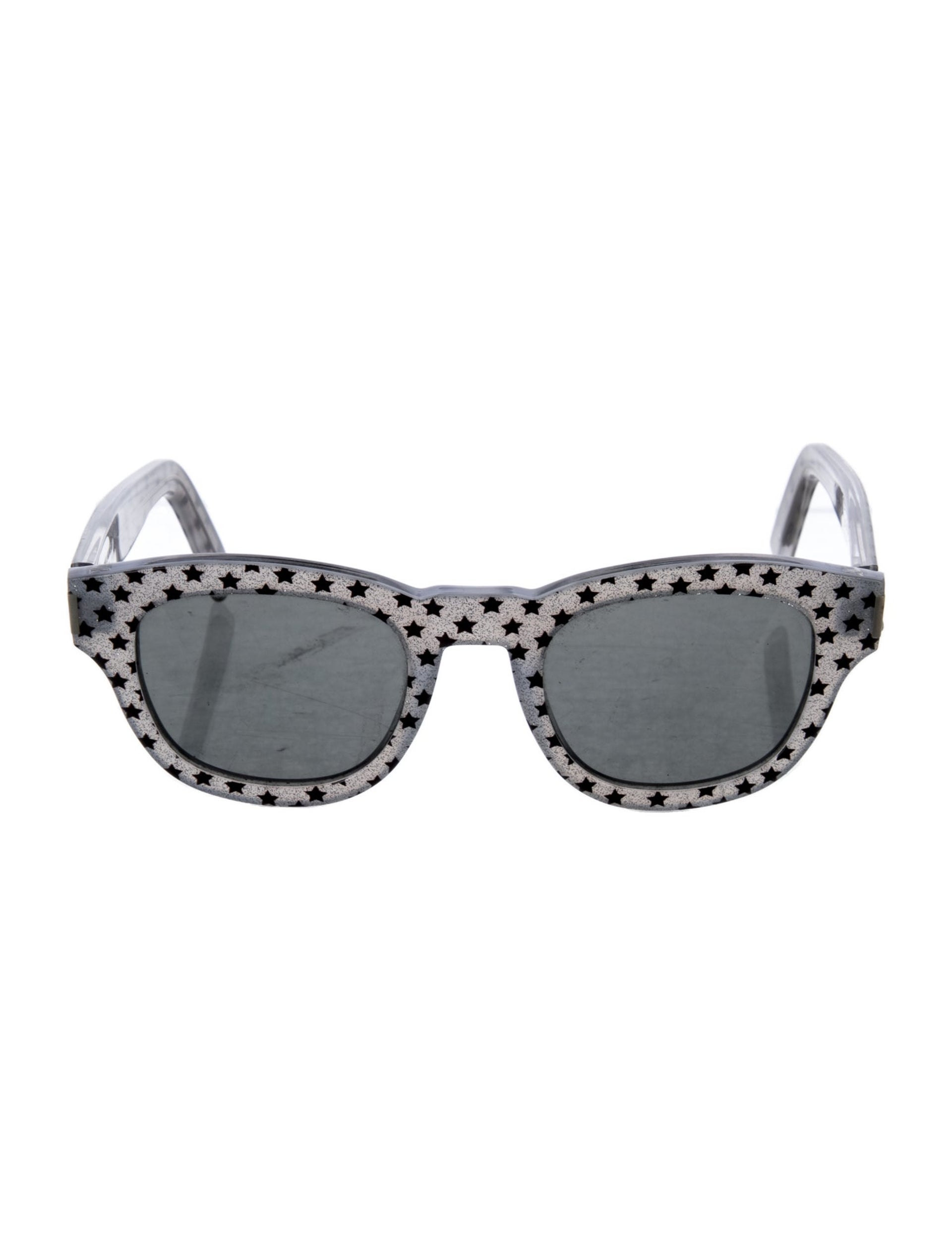
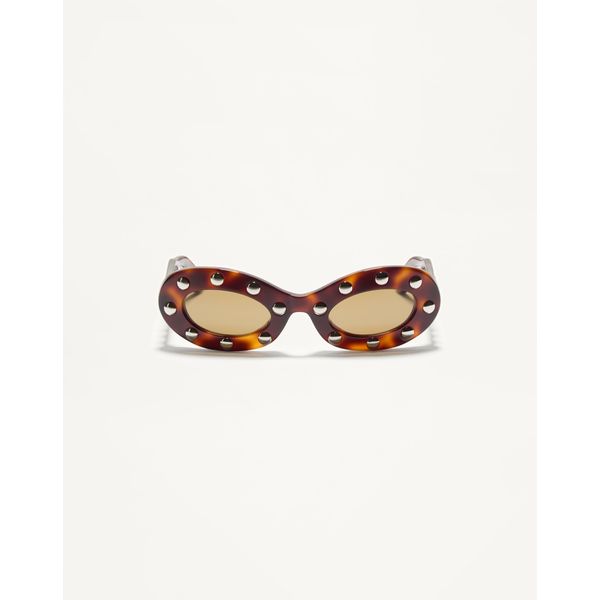
Bags, Scarves & Accessories
Home & Lifestyle
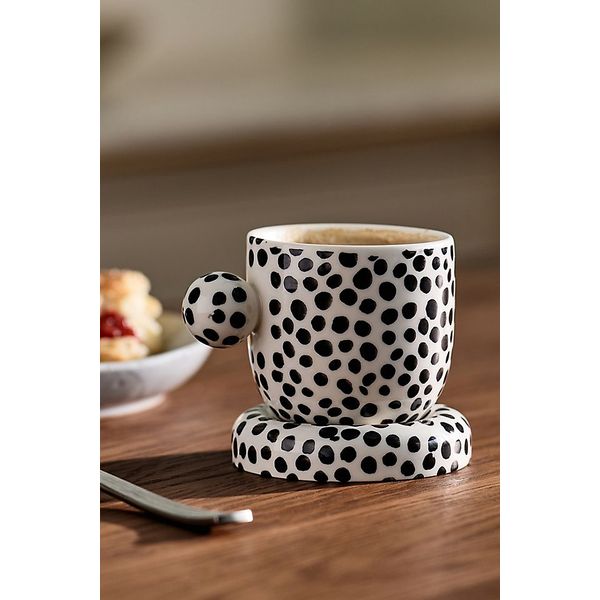
The Dot Is Always In. ⚫
From Dior's New Look to the 2026 runway — 80 years of the most joyful, resilient print in fashion. Add your links and make it yours.


