
What Is PDRN?
The ingredient explained properly
Polydeoxyribonucleotide (PDRN) consists of DNA fragments with molecular weights ranging from 50 to 1,500 kDa, which are mainly extracted from the sperm cells of salmon trout or chum salmon. Yes — salmon sperm. That's the honest answer, and it's also why you'll sometimes see it called "salmon DNA skincare" in beauty media. The name is accurate; the reaction it tends to generate is disproportionate. DNA is DNA. Salmon DNA is structurally compatible with human DNA in the ways that matter for skin biology, which is why it has been studied and used in regenerative medicine for decades.
PDRN and its longer-chain cousin polynucleotides (PNs) are DNA-derived biopolymers that have garnered significant scientific attention since the 1990s for their potential applications in wound healing and skin rejuvenation. It has existed for years in Korean pharmacies as a healing ingredient for compromised skin. It was not invented by the beauty industry. It was adopted by it — which is a meaningful distinction when evaluating how much clinical evidence exists behind it.
PDRN is a nucleic acid extract that has gained attention for its regenerative properties in dermatology and aesthetics. It is a biopolymer derived from DNA, predominantly sourced from salmon sperm, that has garnered attention as a potential therapeutic agent in the realms of dermatology and aesthetic medicine — attributed largely to its regenerative, anti-inflammatory, and antioxidant characteristics.
Vegan PDRN exists and may be superior. INKEY's PDRN Serum uses INJIN Vegan PDRN — 100% plant-derived from Artemisia capillaris. Supplier clinical studies show it outperforms animal-derived PDRN in efficacy markers. If the salmon-sperm origin is a dealbreaker for you, plant-derived PDRN from Artemisia capillaris is a legitimate, well-studied alternative now available in commercial formulas.
From salmon sperm to your serum — what actually happens
PDRN is extracted from the sperm cells of Pacific salmon species — primarily salmon trout and chum salmon — because their DNA structure is highly compatible with human cellular biology. The raw DNA is extracted, purified, and then processed into fragments of specific molecular weights. These biopolymers exhibit a broad molecular weight range, typically spanning from 50 to 1,500 kDa.
The molecular weight matters significantly: smaller fragments penetrate the skin more effectively in topical formulas, while larger fragments remain at or near the surface, primarily providing hydration and barrier support. This is why low molecular weight PDRN formulations are considered more active in topical skincare, and why injectable PDRN can work at deeper structural levels that topical formulas cannot reach.
Plant-derived PDRN, extracted from the Artemisia capillaris plant, undergoes the same fragmentation process and is functionally equivalent or superior in some efficacy markers — making it the preferred choice for vegan formulations.
How PDRN Works
The biology behind the results
The mechanism of action of PDRN involves the activation of the A2A receptor — the adenosine A2A receptor — which triggers a cascade of downstream effects including collagen synthesis, cellular proliferation, and anti-inflammatory signalling. This is what makes PDRN fundamentally different from most other skincare actives: it doesn't just signal the skin to behave differently. It provides raw materials for the repair process itself.
"Peptides encourage the skin to produce more collagen, acting as a messenger. However, PDRN is different because it provides nucleotides, which are the building blocks needed for cellular repair. Rather than simply sending a signal, it supports the actual regeneration process at a deeper biological level." Think of peptides as the text message telling your skin to get to work. PDRN supplies some of the materials needed to do the job.
"PDRN promotes angiogenesis, cellular activity, collagen synthesis, soft tissue regeneration, and skin priming and revitalization — and can be used to treat hyperpigmentation. Many preclinical and clinical studies have demonstrated anti-inflammatory, anti-apoptotic, anti-melanogenetic, bone regenerative, and wound healing properties."— ScienceDirect Review, Journal of Dermatology Research, 2022
What the Clinical Studies
Actually Show
PDRN is not a new ingredient that arrived with a press release and a handful of sponsored studies. The clinical evidence base goes back to the 1990s, initially focused on wound healing and tissue regeneration in medical settings. What is newer is the application to cosmetic dermatology and topical skincare — and the evidence in this specific context is building rapidly. Here is what the peer-reviewed literature actually shows.
Age-specific improvements in wrinkles, pores, and skin laxity
Women in their mid-30s showed a reduction in the appearance of pores and an increase in skin thickness, while women in their 40s showed a reduction in wrinkles, an improvement in color, a decrease in melanin content and a reduction in skin laxity. This study is significant because it shows PDRN's effects vary by age group in predictable, biologically sensible ways — earlier intervention targets structural improvement; later intervention addresses accumulated damage.
✓ Statistically significant resultsImproved periorbital skin elasticity in 4 weeks of topical use
Periorbital skin elasticity improved after 4 weeks of treatment using plant-derived low molecular weight PDRN. These results indicate that PDRN is a promising biomaterial of pharmacological and cosmetic significance, with potential to address skin aging. The periorbital zone — the skin around the eyes — is typically the most difficult area to see measurable improvement in, making these results particularly compelling.
✓ 4 weeks to measurable elasticity improvementSystematic review: statistically significant reduction in wrinkles across multiple trials
A systematic review published in the Journal of Cosmetic Dermatology (2025) concluded: polynucleotide injections have shown promising outcomes in reducing wrinkles, improving skin texture and enhancing elasticity with statistically significant results in several studies. This review synthesises the existing literature across injectable treatments, confirming that the effects observed in individual trials are reproducible across patient populations.
✓ Multiple trials · Systematic review 2025Collagen remodelling and reduced inflammation in post-acne skin
In acne scar treatment, PDRN reduces inflammation and supports collagen remodeling. The two primary mechanisms are directly relevant here: PDRN suppresses the pro-inflammatory cytokines that perpetuate post-acne inflammation while simultaneously stimulating the fibroblast activity needed to rebuild the collagen structure that acne has disrupted. This dual action makes it more comprehensive than purely anti-inflammatory or purely collagen-stimulating approaches.
✓ Dual mechanism — inflammation + collagenIncreased hair thickness and follicular growth support
PDRN has been shown to promote hair regeneration, increasing hair thickness and supporting follicular growth, with enhanced results when combined with platelet-rich plasma (PRP). PDRN's angiogenesis-promoting effect (improving blood supply to follicles) combined with its cellular growth factor stimulation makes it mechanistically well-suited to hair restoration — an application that is increasingly studied but still requires larger clinical trials.
✓ Hair thickness increase · Enhanced with PRPProtection against UVB and oxidative stress via SIRT1 upregulation
In UVB-induced photoaging and H2O2-induced oxidative stress models, PDRN significantly upregulated SIRT1 expression at the protein level and attenuated stress granules in the cytoplasm under UVB and H2O2 stimulation. PDRN prevents SIRT1 degradation by attenuating autophagy during skin aging. (Published PLoS One, May 2025.) SIRT1 is a key longevity-associated protein — its preservation is directly linked to reduced skin aging from sun exposure.
✓ PLoS One 2025 · SIRT1 protection confirmedThe honest caveat: Further clinical studies, particularly larger trials and investigations of combination therapies, are essential to validate PDRN's efficacy and optimize clinical applications. The existing evidence is compelling and growing — but most studies are relatively small. PDRN is not a fully proven commodity like vitamin C or retinol. It is an evidence-backed, well-tolerated emerging ingredient with a strong mechanistic case and a growing body of clinical support. That is the accurate framing.
Six Confirmed Benefits
What PDRN actually does for skin
Topical PDRN vs Injectable
An honest comparison
With a serum or cream, PDRN has to get through the skin barrier and the molecule is simply too large to penetrate very deeply. So you are not going to get the same result from a topical product as you would from an injectable. That said, topical PDRN can still be useful — think of it more as something that can help keep the skin hydrated, calm and supported, rather than something that is going to produce the same kind of structural changes you might see from an injectable treatment.
This is the honest answer that most brands promoting topical PDRN products won't give you — so we will. The key scientific development that changed this conversation was low molecular weight formulation. Larger, heavier PDRN fragments cannot penetrate meaningfully beyond the skin's surface barrier. The right concentration and molecular weight makes topical PDRN a credible skincare ingredient — and the clinical data supports this.
| Injectable PDRN | Topical PDRN (Serum/Cream) | |
|---|---|---|
| Penetration depth | Reaches dermis directly — structural change possible | Surface and upper epidermis; limited by skin barrier |
| Evidence base | Larger body of clinical evidence; established for 30+ years | Growing evidence; 4-week elasticity studies confirmed |
| Results timeline | More dramatic; visible in 2–4 sessions | Gradual improvement; accumulates with consistent use |
| Results duration | 6–12 months; maintenance sessions needed | Continuous while product is used daily; no results cliff |
| Best for | Structural wrinkle reduction, deep scar remodelling, significant elasticity loss | Hydration, barrier repair, anti-inflammatory support, maintenance, sensitive skin |
| Pain & downtime | Needle injections; some redness/bruising | None — apply like any serum, morning and night |
| Availability (US) | Off-label only; not FDA-approved for cosmetic use | Widely available as cosmetic skincare product |
| Cost | $300–$800+ per session; multiple sessions needed | $25–$120 per product; ongoing daily use |
| Enhanced with | PRP, microneedling | Microneedling, low molecular weight formulation |
The smartest approach: The battle of PDRN injections vs topical serums does not have a single winner — it has two different champions for two different needs. If you want dramatic, structural change and can tolerate needles, injections are unmatched. If you want daily maintenance, barrier repair, and a pain-free experience, the serums are your holy grail. Many practitioners now recommend topical PDRN as a complement to injectable treatments, not a replacement for them.
Where PDRN Fits
In a real skincare routine
PDRN is one of the most compatible active ingredients in modern skincare — it doesn't conflict with retinol, vitamin C, acids, or niacinamide. It is genuinely suitable for sensitive skin. PDRN is one of the most well-tolerated active ingredients in modern skincare, and its regenerative, barrier-supporting mechanism makes it genuinely beneficial for sensitive skin rather than stressful on it. For people who cannot tolerate retinol, it offers cellular-level regeneration support without the irritation.
PDRN in your routine — morning or night
PDRN pairs especially well with: hyaluronic acid (both work on hydration through different mechanisms), niacinamide (complementary brightening for hyperpigmentation), and peptides (PDRN supplies raw materials; peptides send the signal — together they cover more of the collagen story). It is also ideal as a post-retinol or post-acid recovery step — it calms and repairs the barrier disruption these actives can cause.
The Best PDRN Products
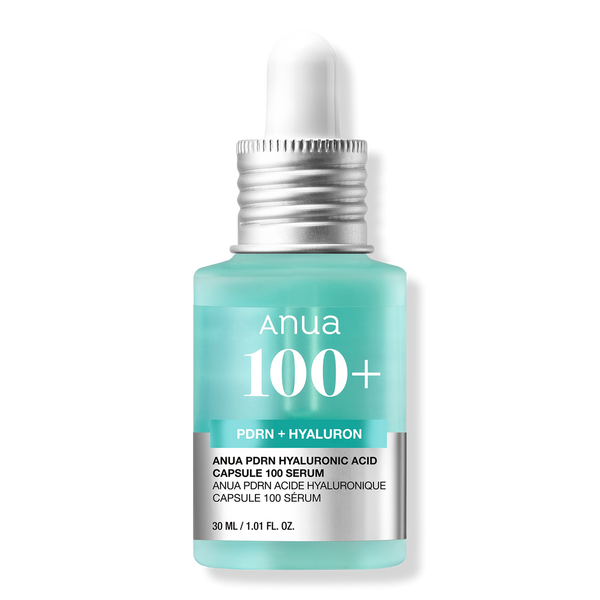
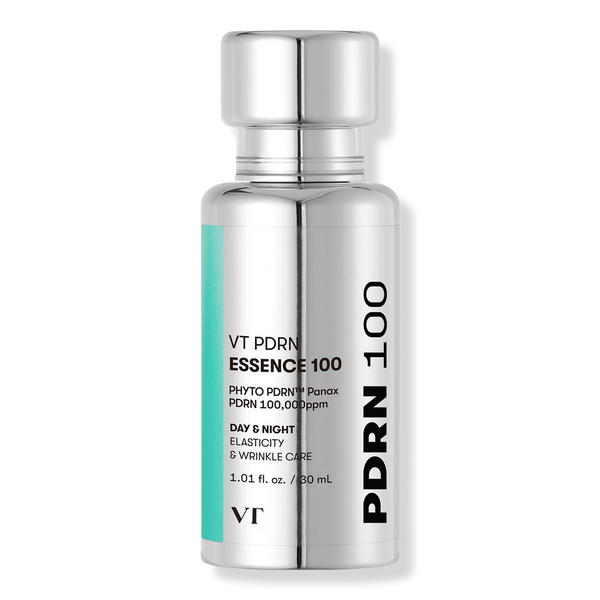
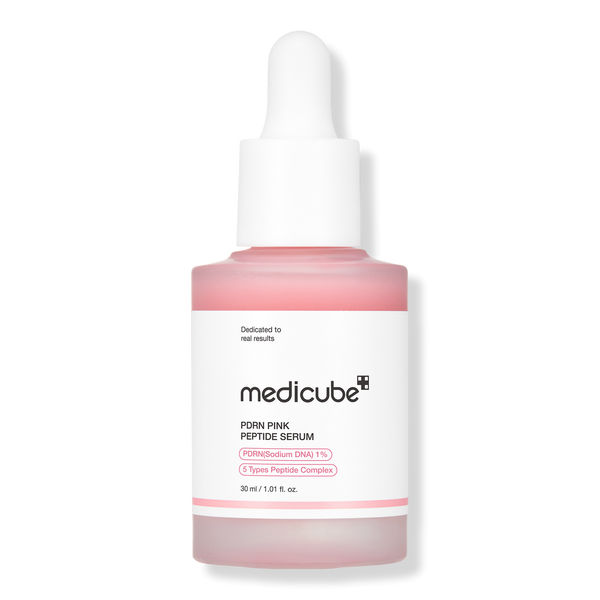
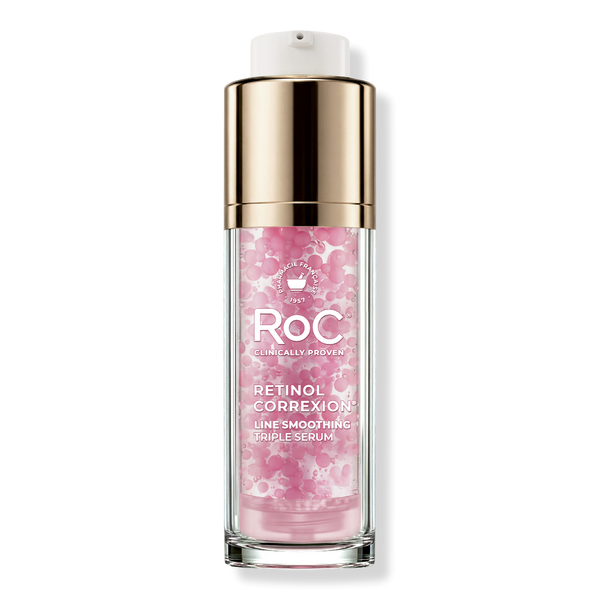
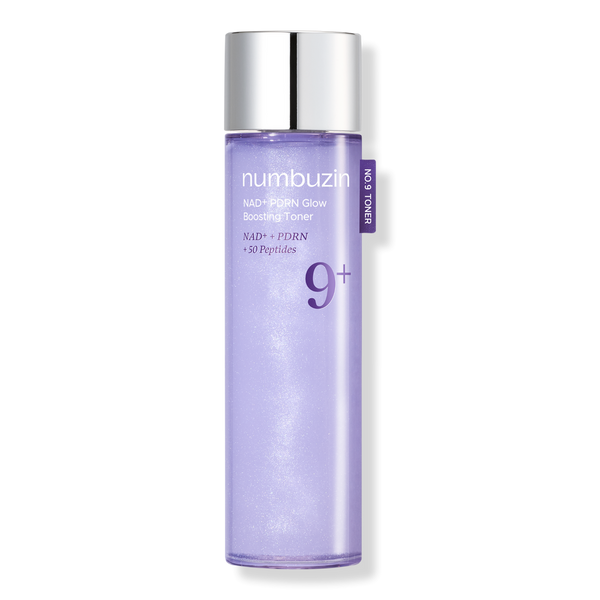
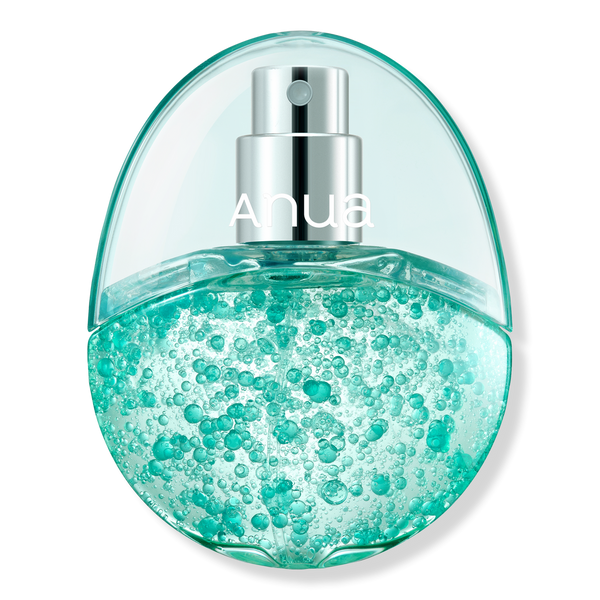
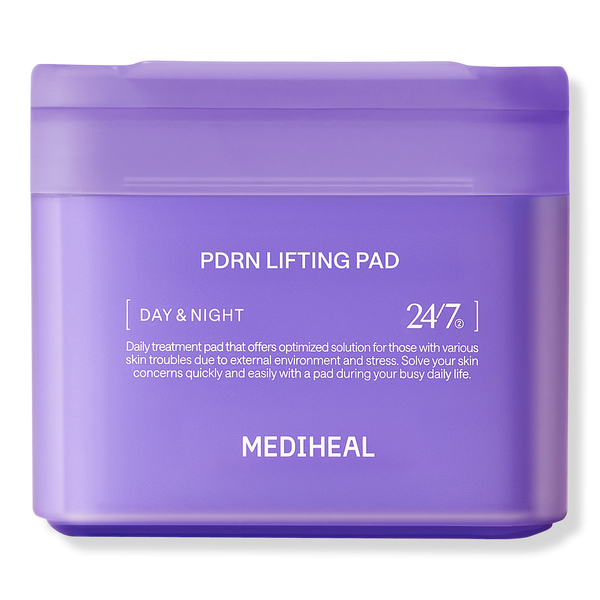
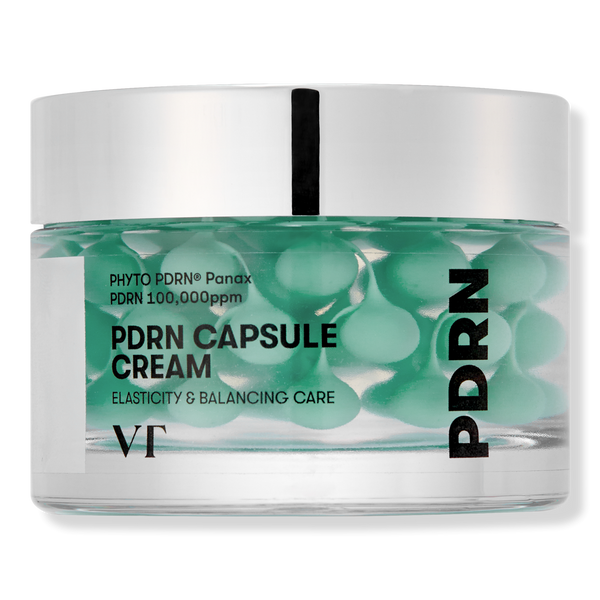
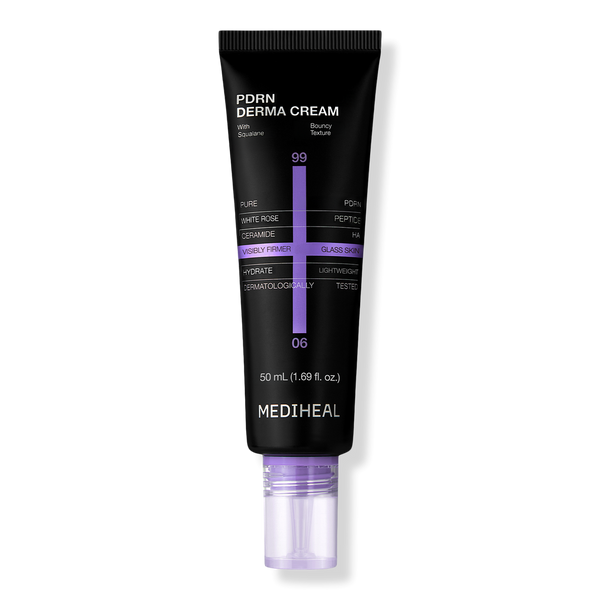
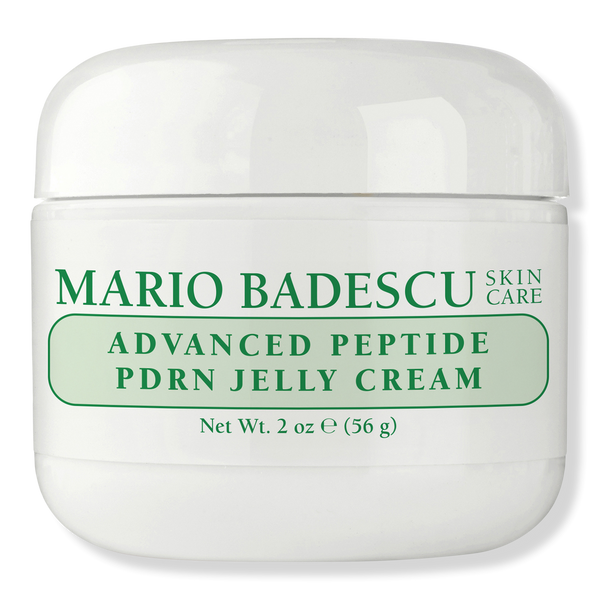
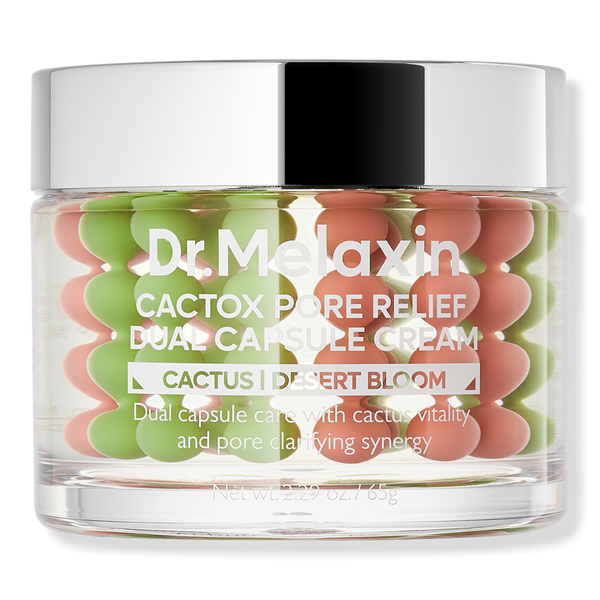
Every product below is a tested, curated PDRN pick — Korean skincare staples, clinical-grade serums, toner pads, mists, and creams. All personally selected.
Hero Serums & Essences

Toners, Pads & Mists


Creams & Moisturisers

PDRN for Lips

Full PDRN collection
The regenerative ingredient your routine is missing.
PDRN — thirty years of clinical evidence, now in daily skincare. Start with a serum and give it eight weeks.


